News
Warsaw Glitch 2026 Draws Over 1,400 to Warsaw's Film-AI Festival
The three-day Warsaw Glitch 2026 festival drew more than 1,400 attendees and 120 speakers who discussed how generative AI is reshaping film production and animation.
Contents
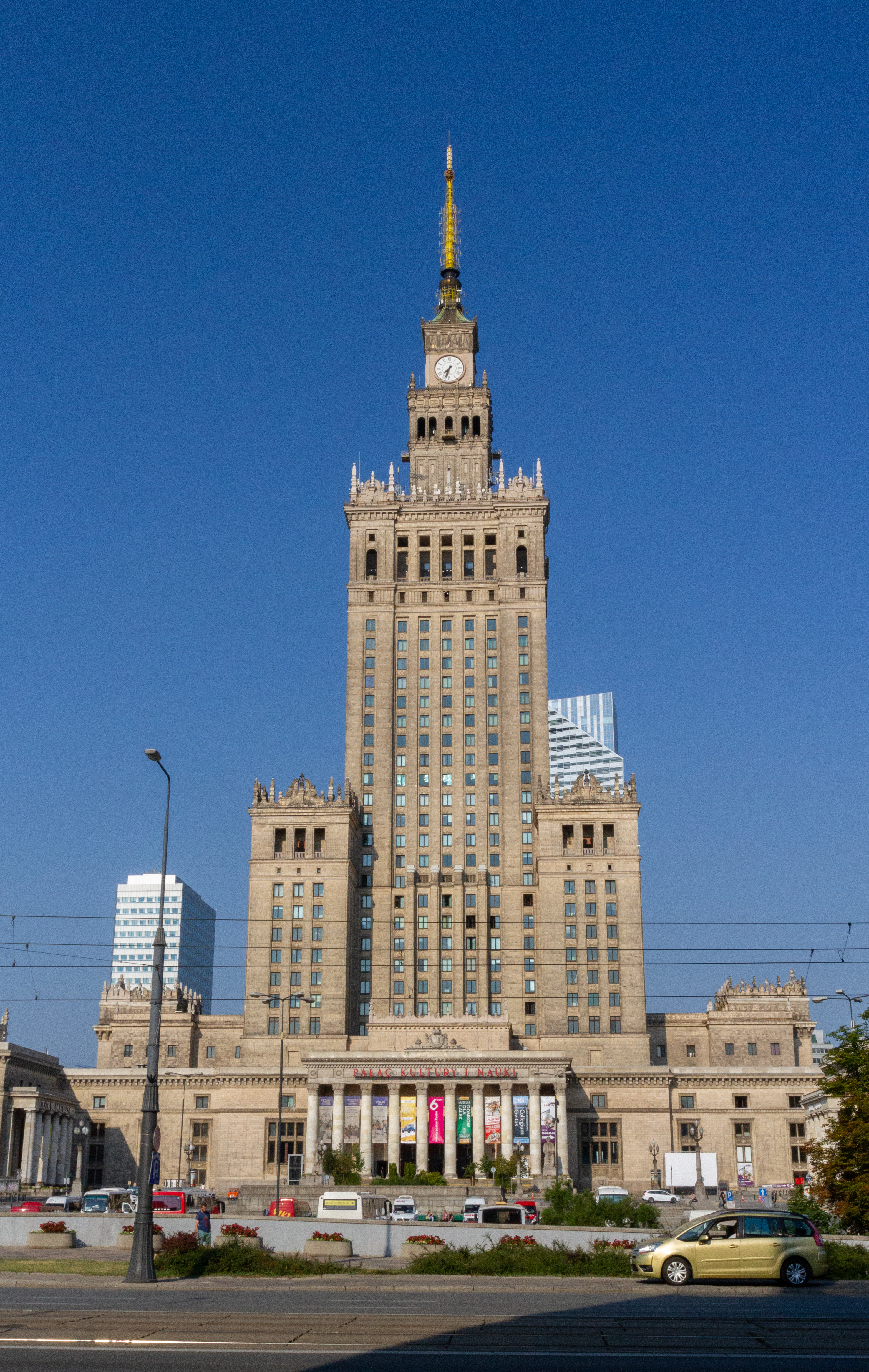
The first edition of Warsaw Glitch, a festival dedicated to the future of the screen, wrapped up in Warsaw after three days of filmmakers, animators and visual effects specialists discussing how artificial intelligence is transforming the audiovisual industry. The event, held at the Palace of Culture and Science (Pałac Kultury i Nauki) and the Kinoteka cinema, drew more than 1,400 attendees.
The festival was billed as the first event of its kind in Central and Eastern Europe and one of the largest of its category on the continent. The program included competition screenings, an industry forum, workshops and interactive experiences, with the three days centered on how generative AI tools are changing the craft of moving-image creators.
Who Spoke About AI in Film
Speakers included professionals who have worked on major Hollywood productions. Stuart Cripps, a visual effects creator known for his work on the Transformers and Spider-Man film series, led a panel on how generative AI tools are changing the VFX industry. Also present were Meggie Miao, a two-time Daytime Emmy winner affiliated with CBS News, and Swedish commercial director Billy Boman, who has produced campaigns for Intel and Coca-Cola.
The stage also featured creators directly involved in AI-assisted production, including former Pixar employee and Emmy-winning producer Stephan V. Bugaj, tech entrepreneur Artem Petrov of CopySight AI, and filmmaker Jagger Waters, who represents new production methods that integrate generative tools. On the Polish side, speakers included director Jan Kępiński, known for his work on programs such as Szymon Majewski Show.
Image Rights and Digital Actors
One recurring theme of the festival was the question of where to draw the line on using AI to create digital actors and likenesses. Panels on the topic featured model Pola Łachnik, who studies image rights in the age of artificial intelligence, among others. Discussions also touched on compensation for creators, copyright, and the risk of the market becoming oversaturated with mass-generated content.
Technology should strengthen a creator's vision, not replace it - the guiding motto of the Warsaw Glitch 2026 festival
The Festival's Business Side
Beyond the panel discussions, the festival had a clear business dimension. The International Producers Forum connected creators with investors and studio representatives, while Glitch Academy offered masterclasses and hands-on workshops in virtual production and AI-assisted animation. Tickets ranged from 949 zloty for a single-day pass to 2,599 zloty for a premium package, pointing to a professional, industry-focused audience rather than a mass-market crowd.
The festival's scale, exceeding pre-event estimates of more than 800 attendees, points to growing interest in AI within Poland's creative industry. Warsaw thus joins the ranks of cities hosting regular events at the intersection of technology and the film industry, alongside similar initiatives in Western Europe and the United States.
What It Means for Poland's Industry
For Polish filmmakers and animators, the festival offered a direct opportunity to connect with experts working on productions that use generative AI at scale, from visual effects to full-length animated projects. This kind of knowledge exchange matters at a time when Polish production studios and advertising agencies are increasingly testing AI tools in their daily work, while also grappling with legal questions around copyright and actors' image rights.
Organizers announced plans to continue the format, though no official date has been set for the next edition. The strong turnout at the first edition, with more than 1,400 attendees compared to the initially estimated 800, suggests that AI in audiovisual production is finding an increasingly wide audience in Poland among both creators and investors looking for new projects to finance.