News
Apple Fast-Tracks AI-Focused M7 Chip, Skips M6 Pro and Max Variants
Apple is set to skip the more powerful M6 chip variants and move up the launch of its M7 family, designed for on-device artificial intelligence, by six months, according to a Bloomberg report.
Apple is preparing the biggest shake-up to its chip roadmap since the switch to Apple Silicon. According to a Bloomberg report, the company will release only the base variant of the M6 chip this year, skipping the more powerful Pro, Max, and Ultra versions in favor of an accelerated launch for the M7 family, built from the ground up for on-device artificial intelligence.
What's Changing
Apple's usual rhythm has each generation of M chips arrive first in base models, followed a few months later by the Pro, Max, and occasionally Ultra variants aimed at professionals. This time, the M6 cycle is set to wrap up on essentially a single chip before it even gets going. According to AppleInsider, the M6 generation will stay on the market for only about six months before giving way to the M7.
The decision is explained as an effort to deliver more powerful hardware for local AI models that run directly on the device, without sending data to the cloud, as quickly as possible. Fast-tracking the M7 family is meant to let Apple catch up with rivals who have spent months accelerating their own chips for artificial intelligence and heavier graphics workloads.
Specs and Codenames
The base M6 is expected to get redesigned CPU cores, an improved Neural Engine, and integrated graphics with 12 cores, 20 percent more than the M5. Memory bandwidth is expected to be around 200 GB/s.
The next generation, internally codenamed Delos for the base variant and Andros for the Pro, Max, and Ultra variants, is expected to go a step further, with the base M7's memory bandwidth reaching around 240 GB/s. The more powerful M7 Pro and Max variants are expected to hit the market in late 2027, with the flagship M7 Ultra not arriving until 2028.
Intel Enters the Production Chain
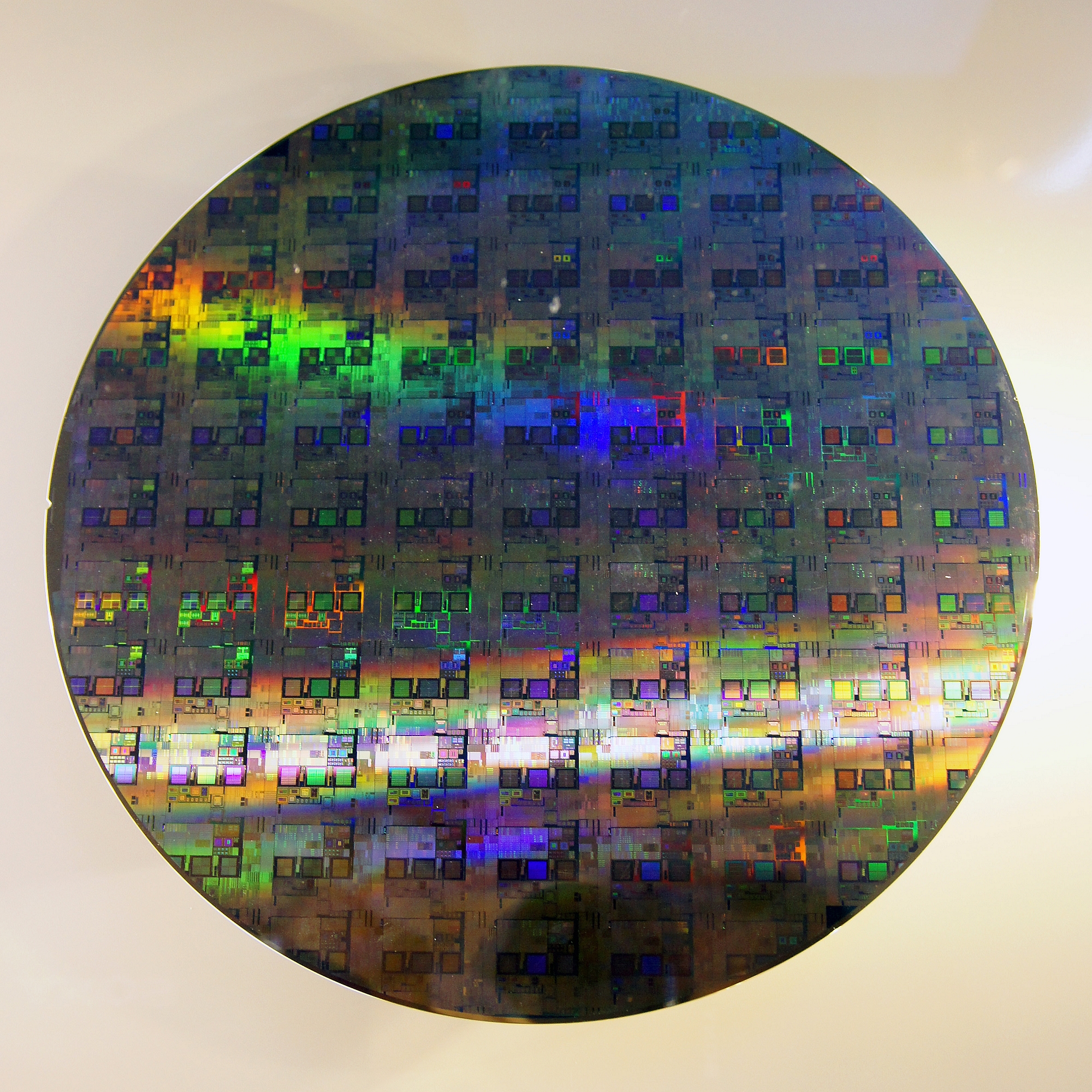
The most surprising element of the report is Intel's possible involvement in production. Analyst Ming-Chi Kuo says the base M7 variant could be partly manufactured on Intel's 18A-P process node, starting in the second half of 2027. For Apple, that would mark the first departure in years from exclusive reliance on Taiwan's TSMC, at least in the base-chip segment.
Such a move would make strategic sense regardless of the technology itself. Splitting production between two suppliers reduces the risk tied to potential disruptions in Taiwan's supply chain, while giving Intel a prestige client at a time when the company is trying to rebuild its position in advanced chip manufacturing.
What It Means for Users
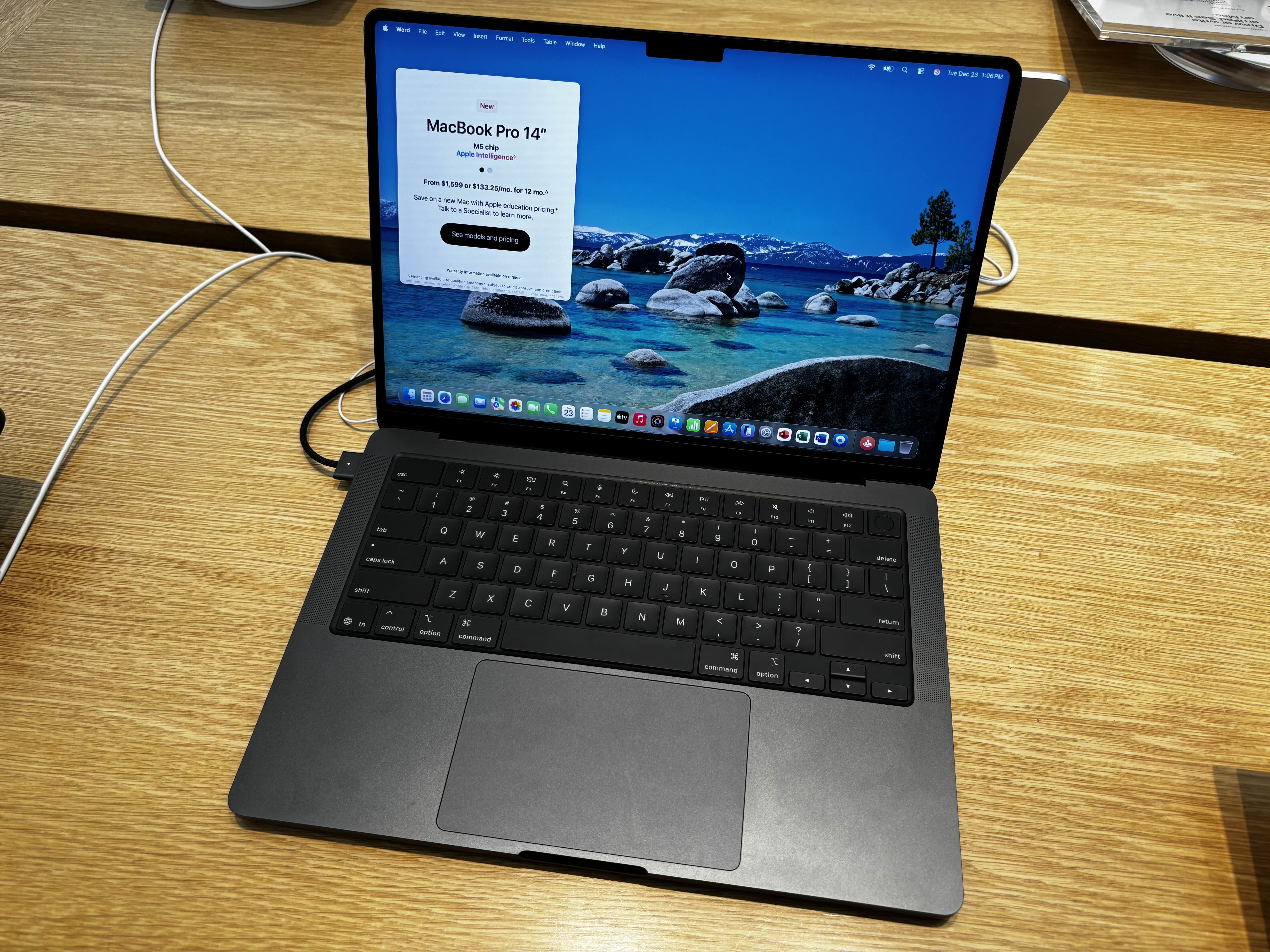
For customers buying a MacBook Pro today with a longer hardware lifecycle in mind, shrinking the M6 generation to six months means the most powerful variants of that family simply won't exist. Anyone wanting a Pro- or Max-class chip will have to wait for the M7 in 2027. It's also a sign that Apple now treats on-device AI processing as its top priority in designing future chips, outweighing the traditional annual refresh rhythm.
The report has not been officially confirmed by Apple, and details of the final specifications and launch dates could still change before any official announcement.