News
Anthropic and Google DeepMind Are Hiring Philosophers to Teach AI Models Ethics
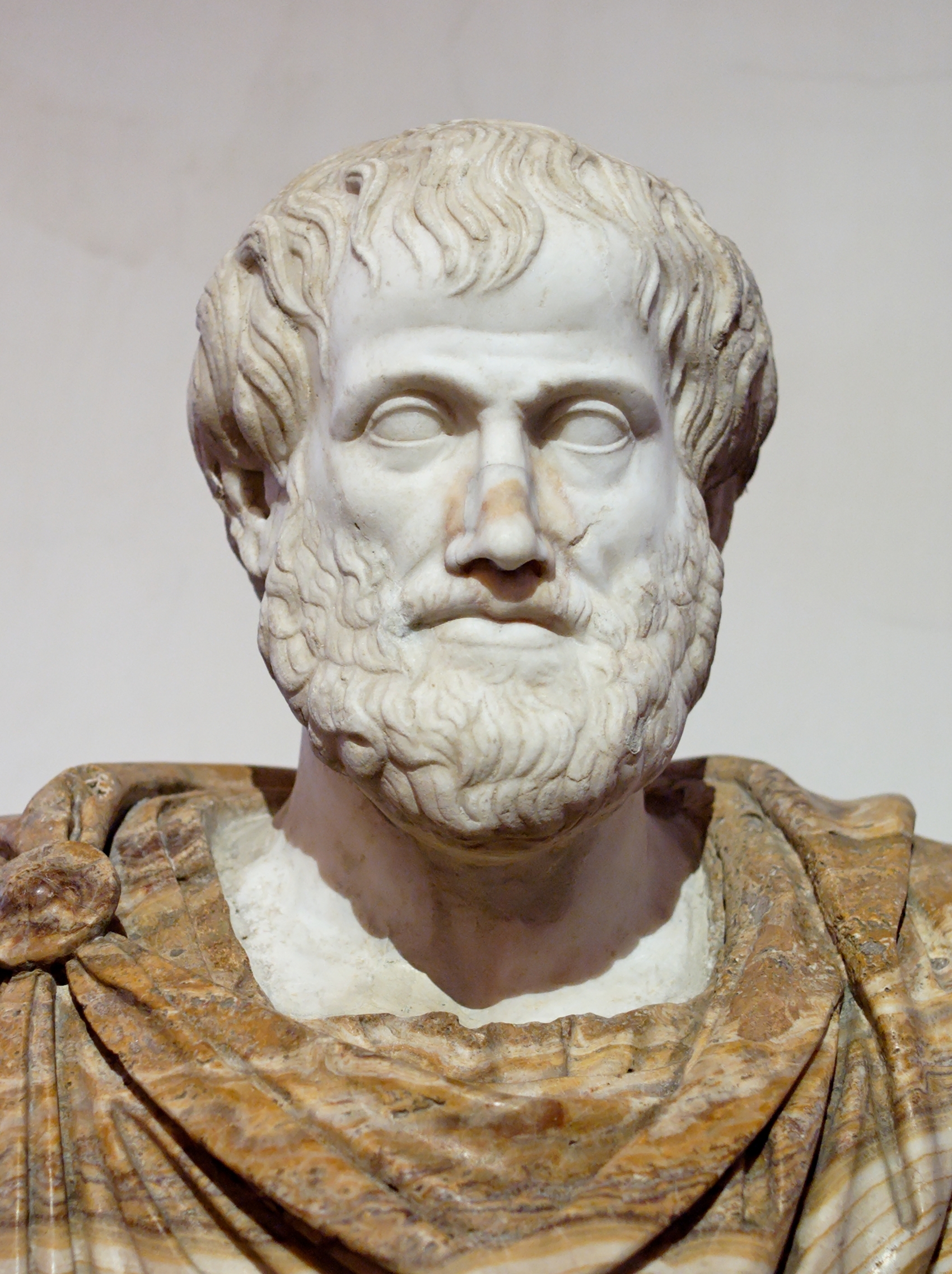
The biggest AI labs, Anthropic, Google DeepMind and OpenAI, are hiring professional philosophers to shape the rules governing chatbot behavior. Anthropic and DeepMind alone each already employ at least six philosophers.
Contents
Companies building the most powerful artificial intelligence models have started hiring philosophers en masse. Anthropic and Google DeepMind each already have at least six specialists in the field on staff, and Sam Altman says OpenAI consults hundreds of moral philosophers on ChatGPT's rules. These people aren't there for academic debate, their work has a real impact on how the models answer difficult questions.
Who ends up in the labs
Amanda Askell, who holds a PhD in philosophy from NYU, joined Anthropic in 2021 and now leads the Personality Alignment team responsible for how Claude responds to sensitive, ethically contested topics. She wrote the 23,000-word document describing the model's character and principles, drawing inspiration from sources including Aristotle's virtue ethics, Apple's terms of service, and the Universal Declaration of Human Rights.
Alongside her at Anthropic are Joe Carlsmith, a philosophy PhD from Oxford who works on Claude's constitution and character, as well as Ben Levinstein and Jackson Kernion. At Google DeepMind, similar roles are held by Iason Gabriel, Adam Bales, Atoosa Kasirzadeh, Arianna Manzini and Julia Haas. Henry Shevlin joined the team in May 2026 as the first employee in an officially titled 'Philosopher' position.
Machine welfare as a new topic
One of the more unusual issues these specialists work on is so-called AI welfare, the question of whether advanced language models can be harmed. Robert Long, author of the piece 'Taking AI Welfare Seriously,' founded Eleos AI Research for this purpose and now serves as its executive director. Geoff Keeling, who previously ran 'moral imagination' workshops for engineers at DeepMind, earlier wrote his doctoral thesis on the ethics of autonomous vehicles.
There seems to be no shortage of work for philosophers of artificial intelligence - The Economist
Accusations of ethics-washing
Not everyone is convinced. Wired points out that hiring philosophers can amount to a form of so-called ethics-washing, a demonstrative display of concern for AI safety with no real influence over the companies' business decisions. Critics ask whether a philosopher employed by a company worth tens of billions of dollars can genuinely slow the rollout of new features when doing so conflicts with the employer's commercial goals.
Supporters of the trend counter that the questions arising at the frontier of AI development are fundamentally philosophical, not purely technical. They include, for instance, how a model should respond to a request for help with a medical decision, where its role as an advisor ends and manipulation begins, or whether a system should be attributed any interests of its own at all.
What it means for the industry
For tech companies, hiring philosophers is also a signal sent to regulators and investors that work on model safety is being taken seriously before any incident requiring legal intervention occurs. In Europe, where further provisions of the EU AI Act on content labeling take effect starting in August, this kind of internal ethical infrastructure can also make it easier to demonstrate compliance with risk management requirements.
For Polish companies developing their own models or deploying large language systems, it's a sign that humanities expertise is ceasing to be a mere add-on to the engineering team. Increasingly, it's becoming a separate function, on par with technical safety or legal compliance, rather than a topic raised only during reputational crises.
For now, the trend is concentrated in the three companies at the top of the industry, Anthropic, Google DeepMind and OpenAI, but smaller labs and deployment companies can be expected to follow a similar path, especially in high-risk areas such as healthcare, education and financial services.