News
Munich Deploys AI Cameras to Monitor Oktoberfest 2026 Crowds
After a dangerous crowd crush at last year's event on Theresienwiese, Munich is installing AI-powered cameras to detect overcrowding at Oktoberfest 2026 and opening a new festival security center.
Contents
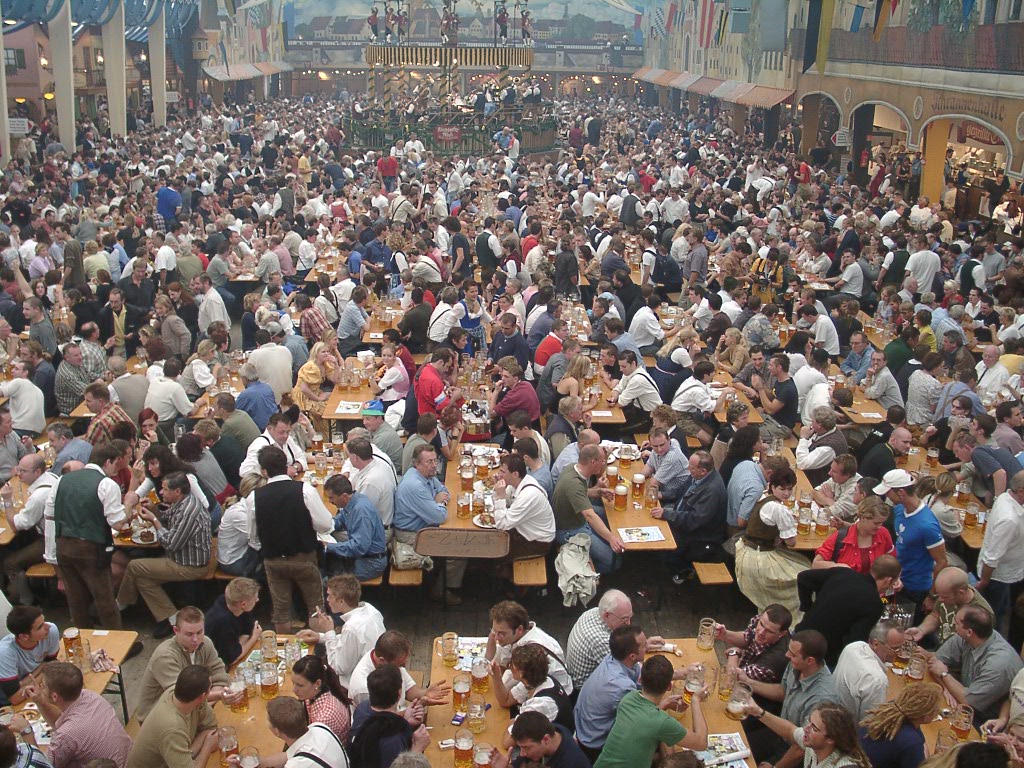
Munich is equipping this year's Oktoberfest with a system of AI-based cameras designed to detect dangerous crowd density on Theresienwiese in real time. The move follows last year's incident, when a shift change in the beer tents left thousands of people caught in a dangerous crush, with some visitors suffering panic attacks.
The Crush That Forced Change
The dangerous situation occurred on the second Saturday of Oktoberfest 2025. During a table-reservation shift change in the beer tents, thousands of visitors gathered at once in the narrow passages between attractions and tent entrances. The crowding was so severe that some people could not move freely, and many guests showed signs of panic. The incident drew wide coverage in German media and forced city authorities to review safety procedures ahead of the next edition of the festival.
How the Camera System Works
The new cameras, equipped with image-analysis algorithms, are meant to continuously assess pedestrian density at critical points across the festival grounds. The system is designed to detect rising crowd density before it turns into a dangerous crush and to alert staff on duty when guests need to be redirected to alternative routes or exits.
The solution builds on infrastructure put in place a year earlier. In 2025, Munich installed a total of 54 surveillance cameras on Theresienwiese, 36 of which were new equipment. The entire investment in the cameras and their accompanying server infrastructure cost the city 350,000 euros.
A New Command Center
A key part of this year's changes is the conversion of the former lost-and-found office on Theresienwiese into a dedicated security center. It will hold up to 35 staff, 34 workstations, including 30 digital ones, and 22 square meters of screens displaying camera feeds and other operational data.
The center also includes a server room, soundproofed rooms for phone and radio communications, and a separate booth for broadcasting announcements to the crowd in case a rapid evacuation or traffic redirection is needed. Since the former lost-and-found office no longer operates on Theresienwiese, that function has been moved to the nearby Deutsches Museum Verkehrszentrum, open daily during festival hours from 1pm to 8pm.
What It Means for Festivalgoers
About 600 police officers will maintain order during this year's edition, supported by data from the camera system. The city has also launched an information campaign encouraging visitors to attend on weekdays and use alternative entrances, spreading guest traffic across time and space instead of concentrating it solely at weekend peaks.
For Polish readers, the Oktoberfest case illustrates the direction AI is taking in managing mass events: it's no longer just about facial recognition or crime detection, but about analyzing crowd behavior and preventing accidents before they happen. Similar pedestrian-density monitoring systems are already being tested at concerts, sports matches, and mass events elsewhere in Europe.
Oktoberfest, the world's largest beer festival, draws several million visitors from around the world to Theresienwiese every year, making crowd logistics one of the event's main organizational challenges. The rollout of the density-detection system will serve as a test of whether AI technology can actually predict dangerous situations earlier than traditional monitoring run solely by human staff.