News
Chewy Rolls Out AI Assistant Cai, Eyes $50 Million in Savings
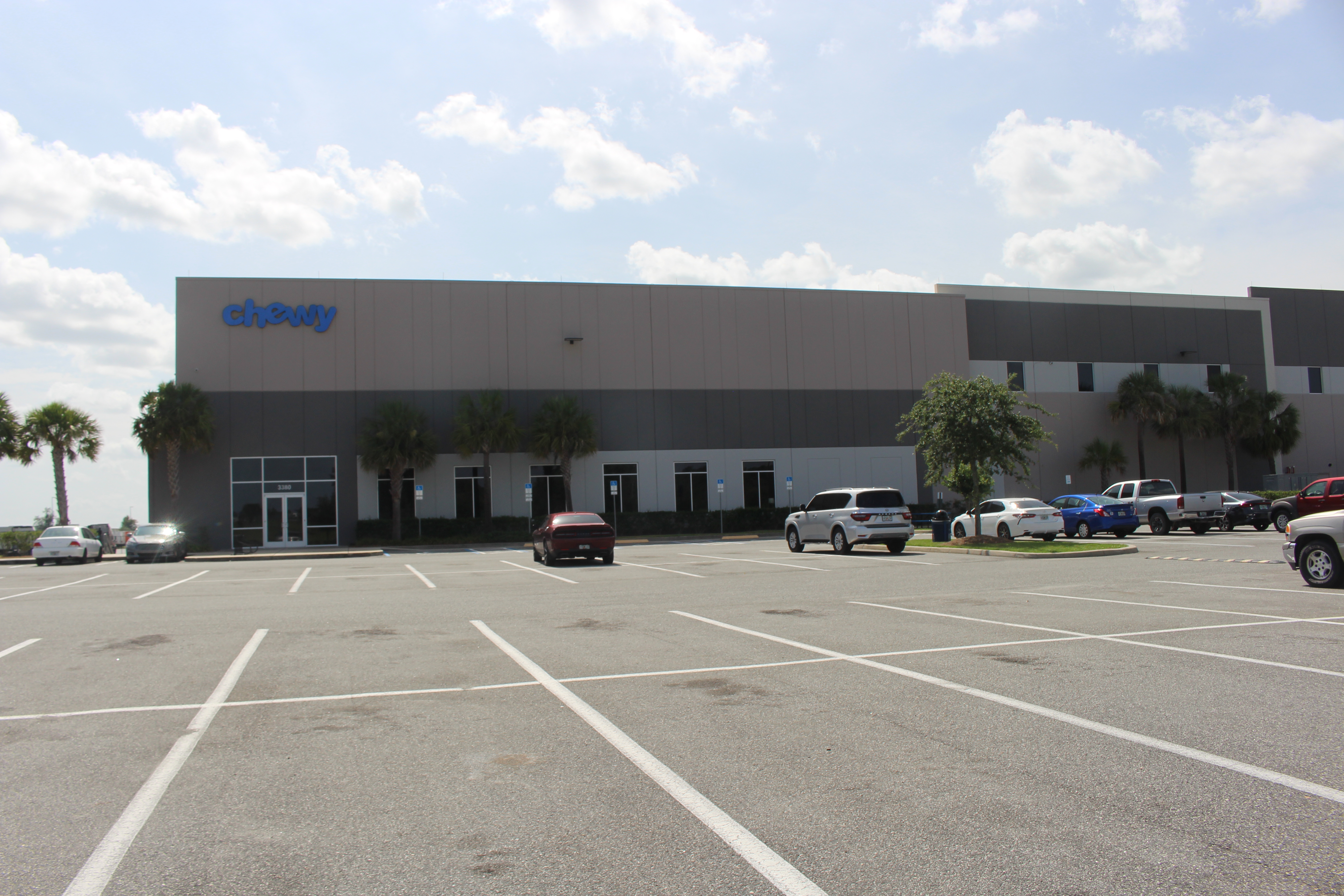
American pet retailer Chewy revealed during its second-quarter earnings call that its AI chat assistant Cai is already resolving nearly a third of common customer requests. The company expects annual savings of around $50 million starting in 2027.
American pet retail giant Chewy has shared results from testing its AI chat assistant. Speaking with investors after the release of second-quarter fiscal 2026 earnings, CEO Sumit Singh said the tool, called Cai, is already resolving nearly a third of the most common customer requests, even though it's only been rolled out to a portion of users.
What Cai does
Cai is a chat assistant currently available to select customers in Chewy's mobile app. Its job is to take over the most frequent customer service contacts, such as checking order status, managing an Autoship subscription, filing returns, or answering questions about accounts and membership. Chewy built automated handling of returns and refunds into the assistant, so some cases are resolved without a human agent.
Singh stressed that despite the limited scope of the tests, the results are encouraging. With exposure to less than 15 percent of total customer traffic, the assistant is independently closing out nearly a third of requests in the categories that generate the most contact with customer service. That is the metric Chewy says will guide its decision on further scaling the tool to additional customer groups.
The bar this product has to clear is extremely high, and that's the first design principle - Sumit Singh, CEO of Chewy
The savings math
For investors, though, the financial side was the key point. Chewy estimates that its AI initiatives, covering both Cai and tools that support agents in their day-to-day work, will deliver savings in the tens of millions of dollars this fiscal year. In 2027, the company wants to push that figure to about $50 million a year.
Part of those savings doesn't come from the customer-facing assistant itself but from AI tools that help call center staff, letting them move faster between internal systems and cutting the time needed to onboard new employees. Chewy is thus combining automation of some customer contacts with speeding up the work of human agents, who still handle the majority of requests.
The announcement came on the day Chewy released its second-quarter results, which showed revenue up 7.3 percent year over year to $3.3 billion. The figure landed at the low end of the company's earlier guidance, and Chewy shares fell in premarket trading, a move some investors read as a signal that AI investments also need to show a measurable impact on operating costs, not just on the customer experience.
Callie at veterinary clinics
Beyond Cai, the company also introduced a voice assistant called Callie, built for the Chewy Vet Care clinic network. Callie answers phone calls and helps confirm appointments, schedule visits, and handle routine checkup reminders, tasks that in the traditional model used to take up clinic front-desk staff's time.
Chewy says that in designing both assistants, a priority was preserving the tone of a brand known for direct, friendly contact with customers ordering pet food and supplies. The company has for years earned praise in US customer service rankings, including from Forrester, and management doesn't want automation to hurt those results.
What it means for businesses
Chewy's example fits a broader trend of retail companies publicly reporting concrete performance metrics for AI customer service assistants, rather than just general announcements of deployments. Sharing the percentage of resolved requests alongside projected dollar savings is increasingly becoming a standard that stock analysts expect during e-commerce companies' quarterly earnings calls.
For Polish e-commerce and retail companies, this level of detail could become a benchmark for evaluating their own customer service automation projects. Chewy shows that even limited test exposure, under 15 percent of traffic, is enough to generate data that supports a decision on scaling deployment further, rather than waiting for a full rollout.