News
CHI 2026 Study: Fine-Tuned AI Beats Experts at Imitating Great Authors' Styles
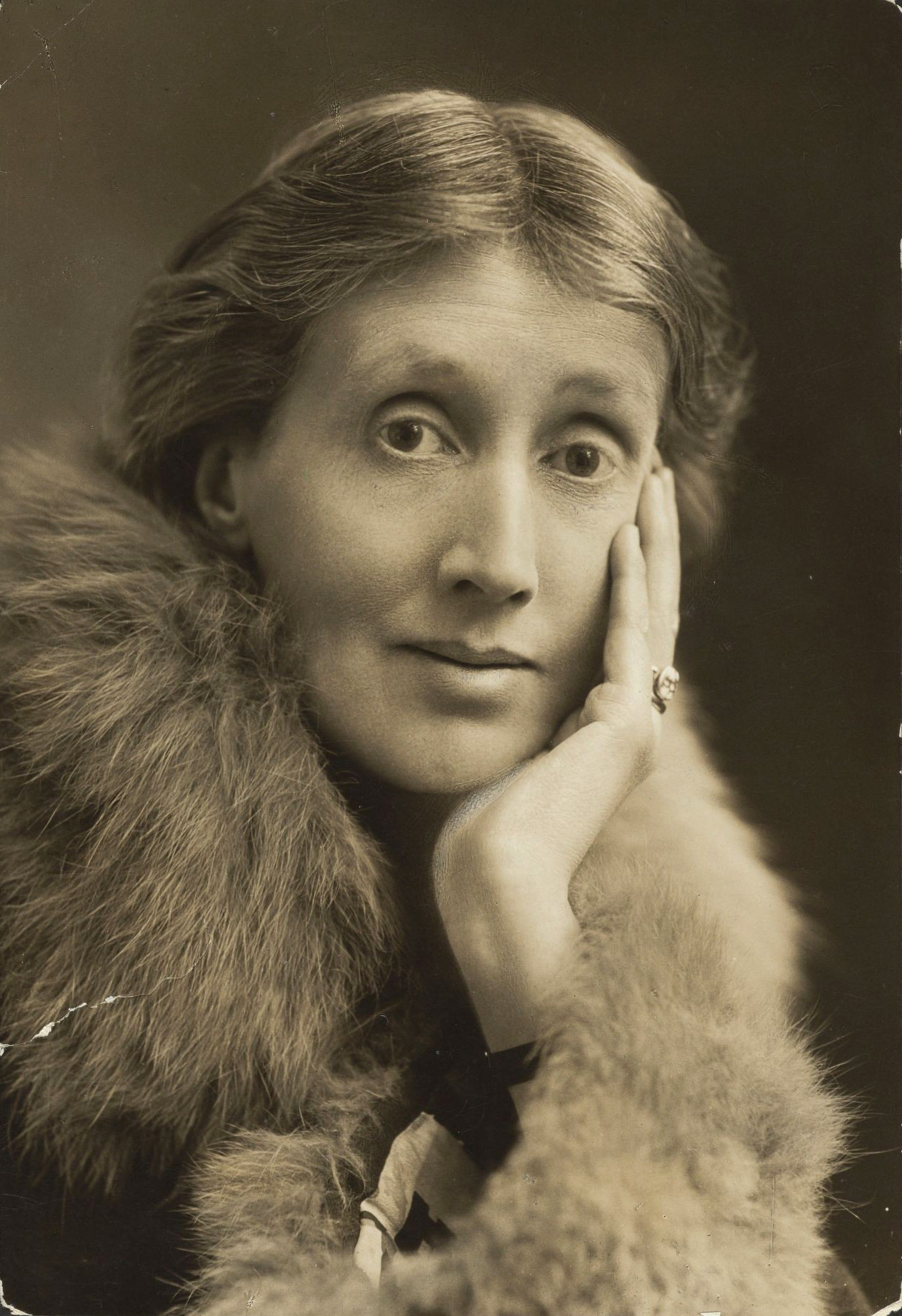
A new study finds that after fine-tuning on an author's complete body of work, language models produce text that experts prefer over human imitations of Virginia Woolf's or William Faulkner's style. The debate is shifting from text quality to the question of authorship.
Contents
For years, the argument in defense of human creative uniqueness was simple: AI can string together a grammatically correct sentence, but it could never write anything experts would mistake for real literature. A new study presented at the CHI 2026 conference challenges that claim with numbers that are hard to dismiss.
Two Methods, Two Results
The researchers tested two approaches to style imitation. The first involved giving the model an elaborate prompt containing excerpts of the original text as an example. The second required fine-tuning the model on an author's entire available body of work, letting the system learn not just vocabulary but deeper syntactic patterns and sentence rhythm.
The gap between the two methods' results proved decisive. Prompting alone produced texts that experts recognized as machine-written almost every time, hence the 82.7 percent vote in favor of the human writer. Fine-tuning changed the picture entirely: the models stopped merely stylizing their output to resemble the author and began reproducing his or her patterns at a level that fooled most evaluators.
Non-Experts Favored the Machine Outright
An even sharper divide emerged between the two groups of judges. Professional writers defended the human text until fine-tuning flipped their preference. Readers without literary training showed no such resistance: according to the study, they consistently chose the AI-generated texts regardless of which method produced them.
That split has practical implications. Publishers, self-publishing platforms, and short-story services mostly reach ordinary readers, not literary-contest judges. If the average reader can't tell the difference, or actively prefers AI-written text, the barrier to entry for generated literature in the consumer market all but disappears.
Debriefings with the experts revealed that their shift toward preferring AI triggered an identity crisis, undermining their aesthetic confidence and their very notion of what good writing means - from Chakrabarty and Dhillon's description of the study at CHI 2026
The Question Shifts From Quality to Authorship
The study's authors, and the outlet f5.pl commenting on it, draw a conclusion that reframes the debate over AI in literature. If fine-tuned models can outdo human imitations of style in the judgment of experts themselves, the argument that generated text is inherently lower quality loses its force. The question shifts instead to who the author of such a text actually is, and whether it deserves the status of a literary work at all.
The same thread has been running through Polish literary discussion for months, surfacing for instance in reports of writers and musicians finding their own books inside AI training data. The new study adds hard evidence to that conversation: the issue is no longer just whether someone used others' texts without consent, but that the resulting output can be indistinguishable from, or even preferred over, the original style.
What It Means for Polish Publishers and Writers
For the Polish publishing market, the findings are a warning signal similar to the one Clarkesworld magazine received earlier, when it was flooded with a wave of low-quality AI-generated short stories. If fine-tuned models can imitate a recognizable style well enough to fool even professionals, controlling what gets published under a living author's name becomes harder than previously assumed.
It also raises questions about protecting the literary legacy of deceased writers, whose complete body of work, as with Woolf or Faulkner in the study, could be used as training material without their estates' consent. Certifications like the recently introduced "human authorship" label gain practical justification in this context, though the study suggests readers themselves won't necessarily let such a label guide their choice of book.
The study's authors do not claim AI writes better than living, original authors developing their own voice, the test covered only imitation of an existing, already-established style. But that's enough to change the nature of the debate: from "can a machine do it" to "what do we do now that it can."