News
Hyundai Workers Strike Against Atlas Robots for Second Year Running
More than 34,000 Hyundai union members staged a three-day strike demanding job security guarantees before humanoid Atlas robots enter the factories. It's the second year running that a wage dispute has intertwined with fears over automation.
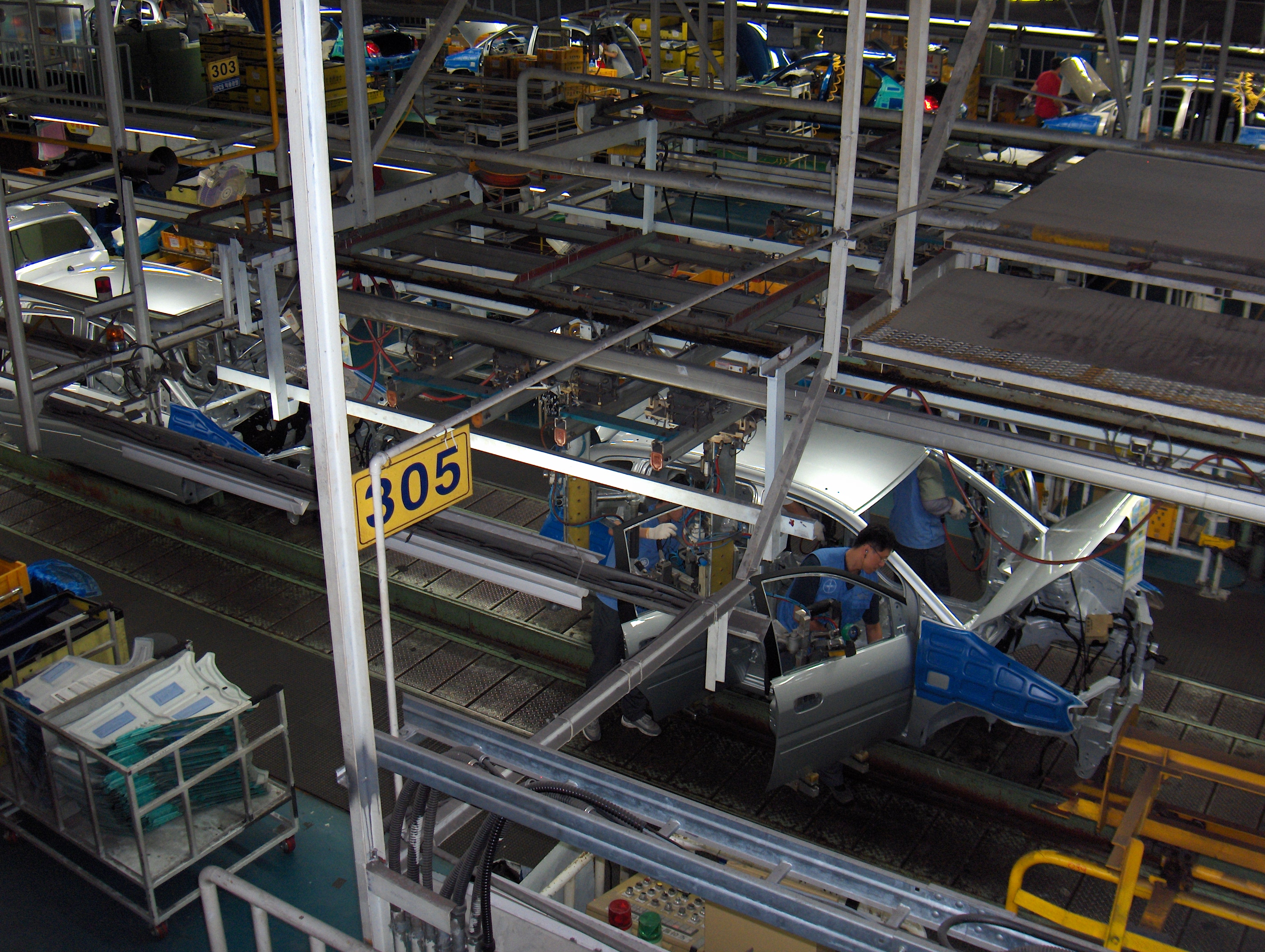
Union members at South Korean Hyundai plants clocked out two hours early for three straight days, protesting both weak wage increases and plans to bring humanoid Atlas robots onto production lines. It's the clearest labor dispute yet driven directly by fear of AI-controlled machines replacing human workers at a major automaker.
Formally, the dispute centered on annual wage talks, but this time automation demands took center stage. The Korean Metal Workers Union, which represents Hyundai employees, demanded formal negotiations ahead of any new technology rollout and guarantees protecting income as production automation advances.
The union's demands
Beyond the base pay raise and profit-linked bonus, the union pushed to raise the retirement age from 60 to 65. Management countered with a monthly raise of 89,000 won, a bonus worth 350 percent of base salary, an additional 10 million won, and 15 company shares. Union leaders rejected the offer as insufficient.
But the central issue in the dispute wasn't pay, it was the future of jobs. The union demanded a formal commitment that no new automation technology would be introduced without prior agreement between the company and its workers.
Without an agreement between employer and workers, not a single robot using new technology will enter the production floor - Korean Metal Workers Union, Hyundai Motor branch
Hyundai's plans for Atlas robots
Hyundai, which owns Boston Dynamics, intends to introduce humanoid Atlas robots first at its US plant in Georgia, where starting in 2028 they are meant to handle repetitive and hazardous tasks such as parts sequencing. In later years, the company plans to extend their use to more complex assembly work. Hyundai's ultimate goal is to produce up to 30,000 Atlas units a year, going mainly to Hyundai and Kia plants. The company has not yet set a firm timeline for rolling them out at its South Korean plants.
South Korean production accounts for roughly half of Hyundai's global vehicle output, so even short stoppages carry real financial weight for the company. Production leadership, represented by Choi Yeong Il, warned about the consequences of the strike.
Previous strikes have brought nothing but irreversible production losses, lost wages, and harsh criticism from customers and the public - Choi Yeong Il, head of production, Hyundai Motor
A second year of tension
This marks the second year in a row that Hyundai's wage negotiations have ended in a strike. This time, though, robotics and AI in manufacturing featured far more prominently in union demands than before, reflecting growing unease among factory workers over the pace of automation in the global auto industry. Hyundai isn't alone in these plans: Tesla, Mercedes-Benz, BMW, Toyota, Mitsubishi, BYD, and Chery are all currently investing in humanoid robots and AI-driven automation, suggesting similar disputes could surface at other factories worldwide.
The company said it would not compensate workers for wages lost during the strike days, further straining relations with the union ahead of the next round of talks.
What comes next
The strike ended on July 15 without agreement on the key demands over job guarantees tied to the robot rollout. Both sides are expected to return to the table, and tension over Atlas's role at Hyundai and Kia plants is likely to resurface as the next phases of deployment, planned for 2028, approach. For the global auto industry, this dispute could set a precedent for how humanoid robots are allowed onto production lines alongside human workers.