News
US Federal Judge Rejects DOJ Bid to Break Up Google's Ad Business
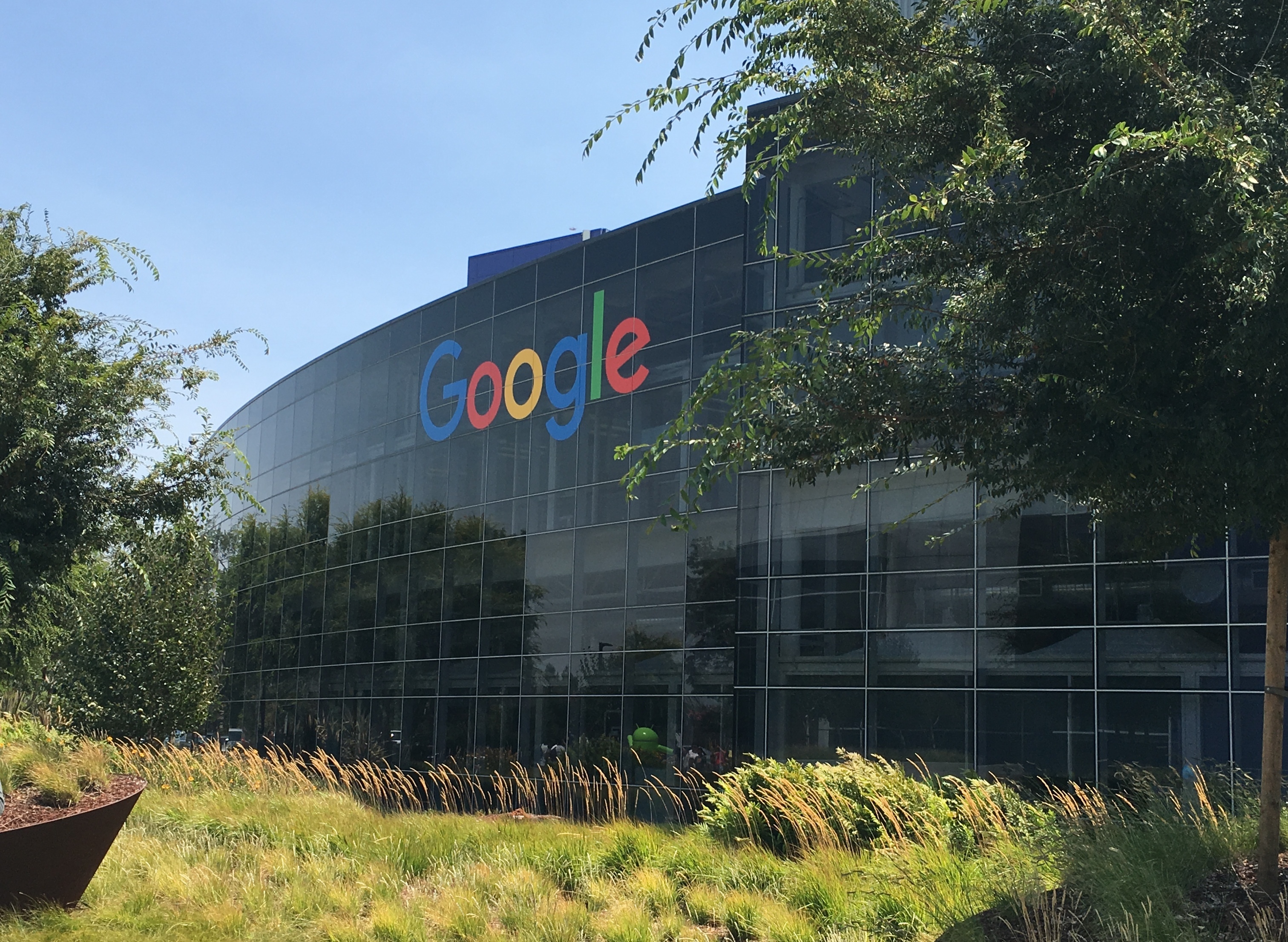
Judge Leonie Brinkema previously ruled that Google illegally monopolized the online advertising market, but she declined to order the sale of its AdX ad exchange, instead requiring the company to open its tools to competitors.
Contents
Federal Judge Leonie Brinkema on Wednesday rejected the US Department of Justice's demand to force Google to sell off part of its online advertising business. It marks the second setback this year for the government's attempt to break up the company into smaller units, even though the court had already formally found Google to be an illegal monopoly.
The case has been running since 2020, when the Department of Justice sued Google, accusing the company of illegally dominating the online ad tech market by tying its publisher ad server to the AdX ad exchange. In April 2025, Judge Brinkema ruled that Google's conduct had "substantially harmed" publishers and consumers, finding the company to be a monopolist in two interconnected advertising markets.
What the court decided
Despite the earlier finding of liability, in the September ruling on remedies the judge opted for a lighter-touch solution than the one sought by the government. Rather than forcing the sale of AdX or opening DFP's source code, Google must adapt its advertising tools to work with competing companies' products. The move is meant to curb Google's market advantage without dismantling its advertising infrastructure.
The full reasoning behind the decision remains sealed for now, and the parties have 30 days to work out a joint judgment spelling out the details of the mandated changes. Further hearings and supplemental filings are possible before the final remedies are made public.
Reactions from both sides
Despite the partial defeat, the Department of Justice stressed that the ruling was a step forward in curbing Google's dominance of the ad market. Google, for its part, presented the ruling as a defense of its business model against the harshest possible scenario.
We are one step closer to restoring competition and delivering relief to Americans - US Department of Justice
We're pleased the court rejected the DOJ's proposal to break up tools that help small businesses reach new customers and grow - Lee-Anne Mulholland, Google's Vice President of Global Public Policy
Market and investor context
The ruling coincided with a string of positive developments for Google in early September, following a difficult summer that saw Alphabet's stock decline amid concerns over the pace of AI model development, departures of key researchers, and restructuring at DeepMind. Earlier the same week, the company unveiled the Gemini 3.8 Flash model along with a version for detecting security vulnerabilities, and Berkshire Hathaway's chief publicly voiced confidence in Alphabet's position in the AI race.
For US antitrust regulators, it's the second case in a row in which a court formally confirmed Google's illegal monopolistic practices but declined to impose the most drastic remedy, a forced sale of assets. The same pattern played out earlier in the parallel case concerning Google's search engine.
What it means for the European and Polish ad market
The case is playing out in the United States, but its outcome is being closely watched in Europe too, where the European Commission is running its own proceedings against Google's ad tech under EU antitrust rules and the DSA (Digital Services Act). If the interoperability mandate for Google's ad tools is implemented with precision, it could in practice make it easier for smaller ad platforms, including European and Polish media houses, to access AdX infrastructure without waiting for separate EU rulings.
Online publishers, including in Poland, have long pointed to their dependence on the AdX exchange and the DFP platform as the main barrier to negotiating better rates for ad space. The court-ordered interoperability, while it doesn't dismantle Google's system, could over the longer term increase competitive pressure in the programmatic advertising market that most Polish news sites rely on.
The final shape of the remedies will only become clear once the 30-day deadline for the joint DOJ-Google judgment passes, and the company itself has signaled it may appeal parts of the liability findings from the earlier phase of the case.