News
Kimi K3 Launch Triggers Sell-off in US Chipmaker Stocks
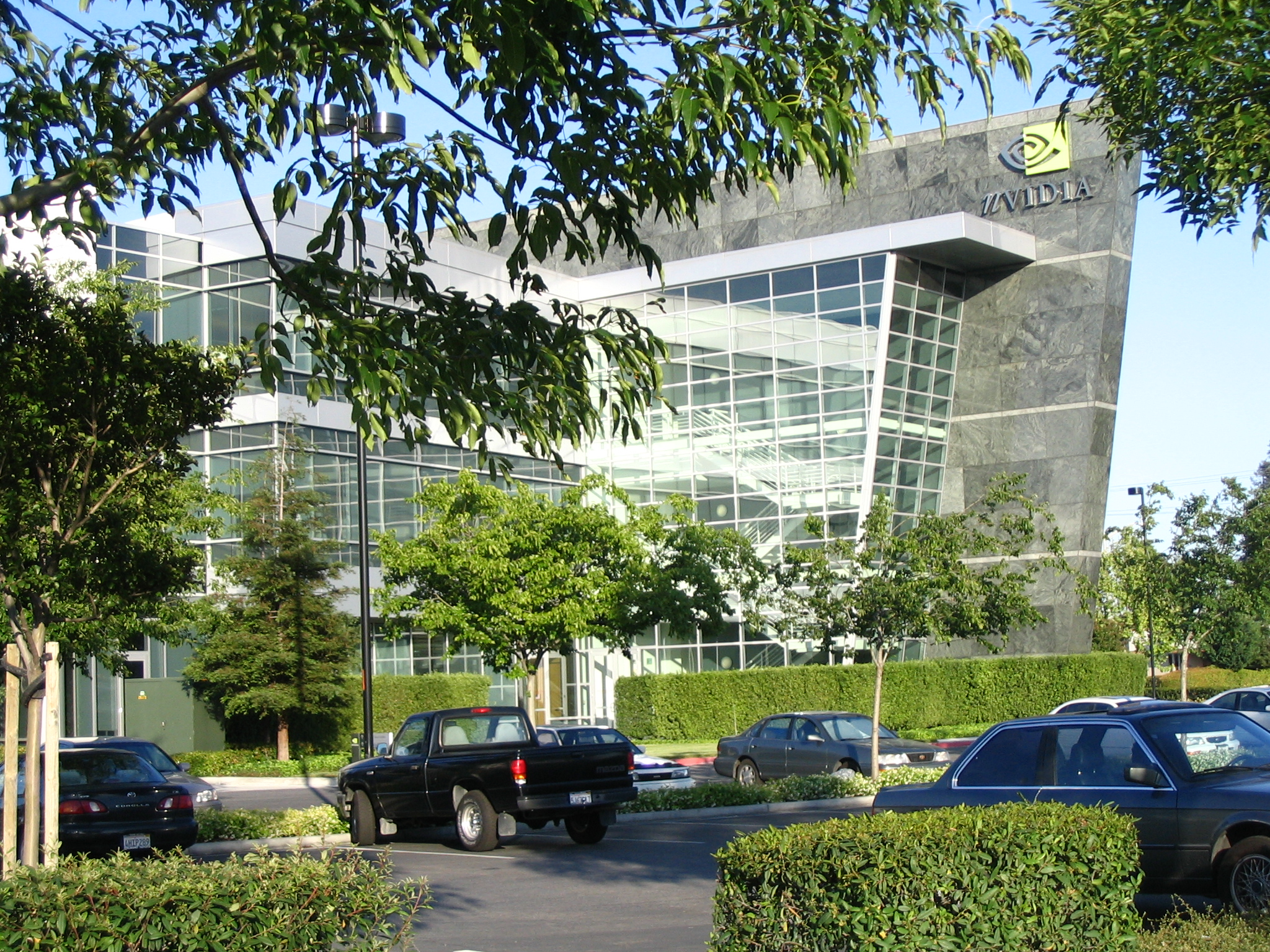
A semiconductor stock index has lost about 10 percent over the past week since Moonshot AI unveiled its open Kimi K3 model, as investors worry that cheaper Chinese models will curb demand for expensive computing power.
Contents
Shares of Nvidia, Micron Technology and other chipmakers fell after Chinese startup Moonshot AI unveiled its Kimi K3 model on July 17, 2026. According to the Wall Street Journal, an industry index of semiconductor stocks dropped by about 10 percent over the week, driven by fears that cheaper Chinese AI models will curb demand for the costly computing power underpinning the current AI market boom.
What triggered the sell-off
The Kimi K3 launch hit shares of companies that had benefited for two years from the wave of investment in AI infrastructure. Nvidia and Micron Technology, suppliers of the chips and memory that power data centers, posted declines as investors recalculate how much computing power will actually be needed if Chinese labs can build competitive models far more cheaply.
Wall Street analysts note that Chinese models are designed from the outset for lower computing costs, setting them apart from the approach taken by US labs, which have so far focused mainly on scaling raw power. DoorDash, one of the companies already using multiple models at once, picks a provider for each task based on cost, a signal to the market that model pricing is starting to genuinely shape corporate purchasing decisions.
What analysts are saying
Gary Yu of Morgan Stanley said the K3 launch shows how quickly Chinese language models are catching up with US leaders on both performance and price. Robin Zhu of Bernstein called it another instance of top Chinese AI labs keeping pace with US models.
K3 shows Chinese LLMs catching up with US leaders on performance and price - Gary Yu, Morgan Stanley
Another instance of top Chinese AI labs keeping pace with US models - Robin Zhu, Bernstein
Alex Liu of BofA Securities pointed to the Kimi Delta Attention architecture, which lets the model grow in capability while keeping an efficient cost structure. Ellie Jiang of Macquarie described rising model prices as a positive sign that capable AI models are starting to justify the growing infrastructure costs needed to run them. A B. Riley analyst wrote plainly that K3 narrows the technology gap and intensifies price competition at the model level itself.
The scale of the drop
The semiconductor index's 10 percent weekly drop is comparable to what the market experienced during the DeepSeek launch, though this time investors already have established patterns for assessing such events. At 2.8 trillion parameters, Kimi K3 is currently the largest open AI model in the world with publicly available weights, and its price of $3 and $15 per million tokens marks a sharp drop from the previous K2.6 version, which cost $0.95 and $4.
What it means for the market
For investors, the key question is whether cheaper Chinese models will genuinely curb demand for expensive GPUs and memory, or instead expand the market by bringing in new customers previously deterred by the cost of deploying AI. Chipmakers argue that cheaper models could actually increase overall compute consumption, since more companies will start deploying AI at scale, but for now the market is reacting with caution toward the premium segment.
For Polish companies and investors, the episode confirms a trend already visible around previous Chinese open-model launches: pricing pressure from China is genuinely lowering the cost of access to advanced AI, which could translate into cheaper AI tools available locally, while also adding uncertainty to the valuations of tech companies listed on global stock exchanges.