News
Meta Patches Another Smart Glasses Loophole Used for Covert Recording
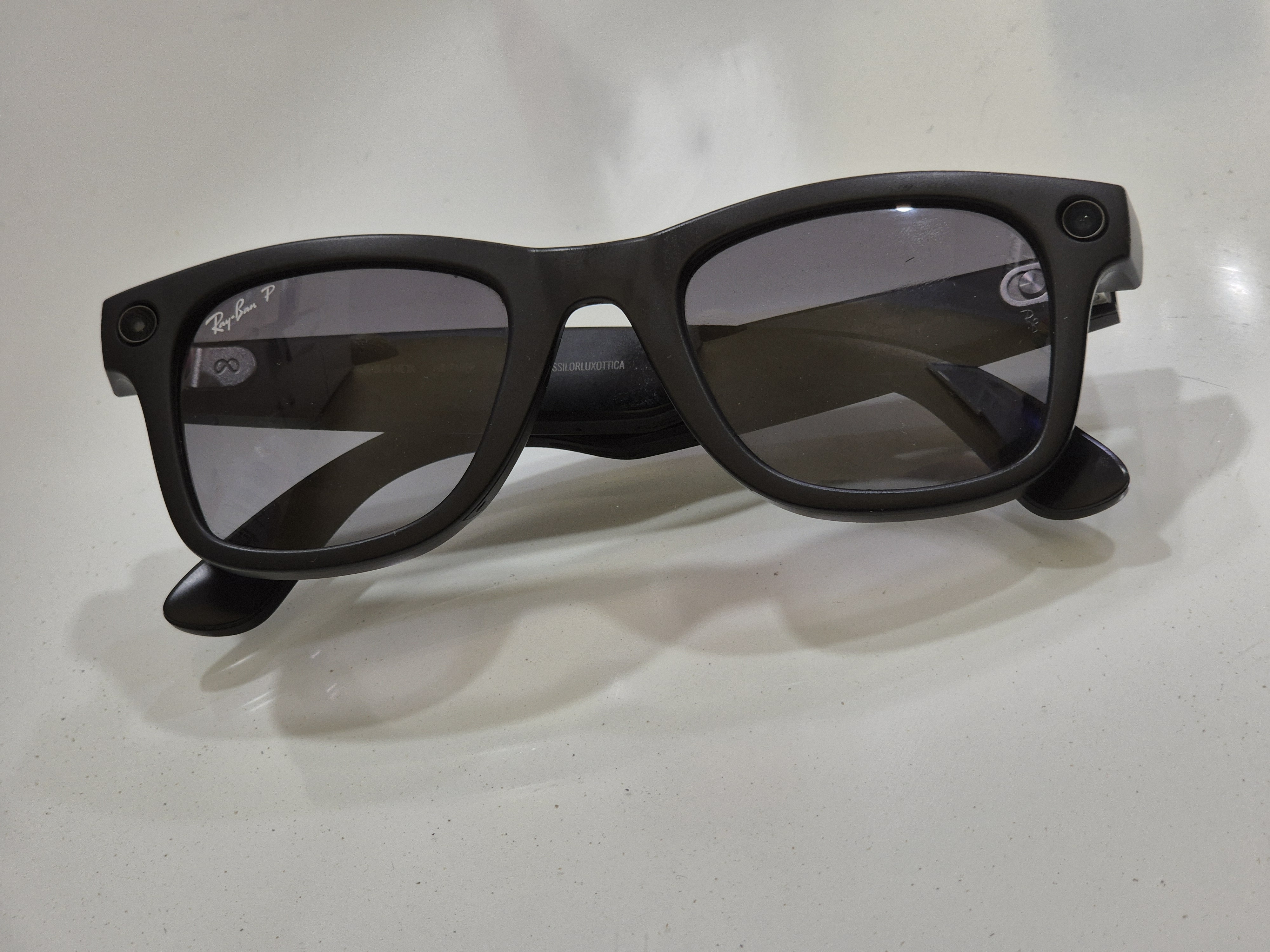
Meta is rolling out a software update that disables the camera on its smart glasses if someone covers the recording LED while a recording is already in progress. It's the second such fix in under two months, following a wave of reports about people being secretly filmed without their knowledge.
Meta has begun rolling out a software update for its smart glasses aimed at closing one of the most heavily criticized gaps in its privacy protections. Until now, the LED that signals recording only blocked a new recording from starting once it was covered, but nothing stopped a user from turning the camera on first and covering the indicator with a finger or a sticker afterward.
How the loophole worked
Meta's smart glasses have had a built-in LED since launch that lights up when recording video or taking a photo, signaling to people nearby that they're being filmed. But the safeguard only worked one way: the system blocked recording from starting if the LED was already covered, yet it let a recording that began with the LED visible keep running even after the user covered it partway through.
For months, guides and how-to videos showing this exact trick circulated online, and alongside them a market grew for cheap accessories, stickers, and covers marketed explicitly as ways to defeat the indicator. For bystanders, that meant a dark LED offered no real assurance that they weren't being recorded at that moment.
What the update changes
Once the new software version is installed, covering the LED at any point, including during an already-running recording, will automatically stop the video capture. The mechanism is designed to work regardless of whether the LED is covered with a finger, tape, or a purpose-made overlay.
Some people try to get around this protection by starting a recording and then covering it up. The fix for that is starting to roll out now, the camera will stop working if the light gets covered while it's recording - Alex Himel, Meta's vice president of augmented reality
Himel also said the company will keep rolling out similar fixes, explaining that only a small minority of users attempt to bypass the safeguards. Meta's privacy page for the glasses states that the devices are also designed to automatically disable the camera if they detect that the LED has been physically damaged or destroyed.
Pressure after backlash
This is the second privacy-related change Meta has made in under two months. The company previously blocked recording when it detected the LED had been physically damaged or painted over. Both fixes come in response to mounting criticism that smart glasses are increasingly being used to secretly film people in public without their consent, including for harassment.
The issue touches on a growing market for wearable camera devices. Meta's glasses combine an AI-based voice assistant with a camera hidden in the frames, making them a far less recognizable recording tool than a phone held up in someone's hand. For many users, that discretion is the product's main selling point, but the same feature worries people who don't want to be filmed without knowing it.
Market implications
Glasses with built-in AI and a camera are becoming an increasingly popular hardware category, and Meta currently leads that segment. But repeated reports of privacy gaps could slow adoption among institutional buyers and in countries with stricter data protection rules, including the European Union.
For Polish users and businesses considering these devices, it's a reminder that manufacturers treat recording indicators as something requiring ongoing patches rather than a one-time safeguard. It's worth checking that a device is running the latest software version before assuming a dark LED means it isn't recording.