News
Meta Sued Over Using Smart Glasses Recordings to Train AI
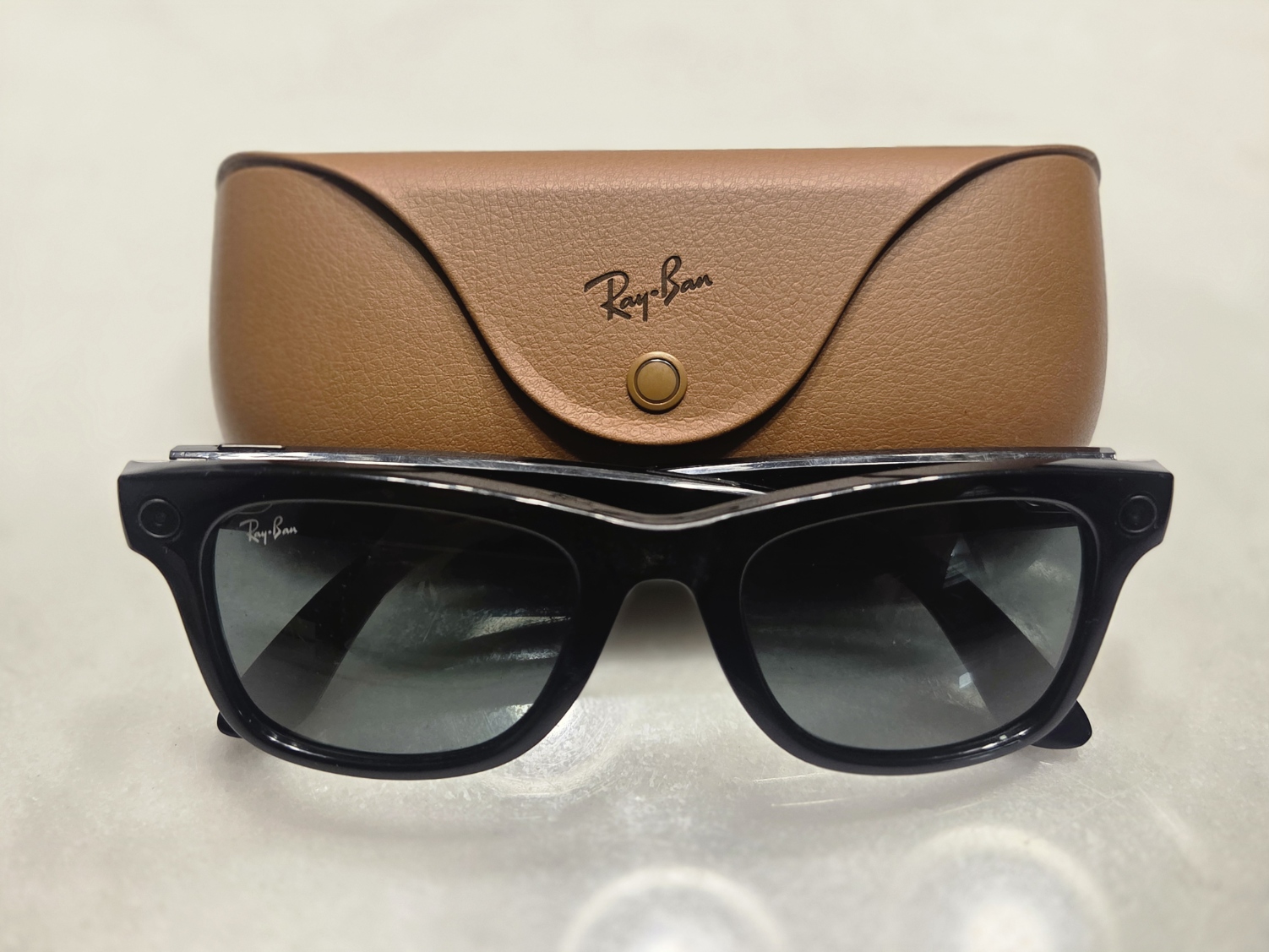
An amended lawsuit against Meta alleges the company sent recordings from Ray-Ban Meta glasses to contractors in Kenya, who manually labeled intimate footage to train AI models without the consent of the people recorded.
Contents
A federal court in California is considering an amended class action lawsuit against Meta, in which plaintiffs allege the company sent recordings from Ray-Ban Meta smart glasses to third-party contractors in Kenya. Workers there reportedly manually reviewed and labeled video footage, including scenes from bedrooms and bathrooms, to feed the development of Meta's artificial intelligence systems.
What the Lawsuit Alleges
The plaintiffs, Gina Bartone and Mateo Canu, represented by Clarkson Law Firm, claim Meta misled customers by marketing the glasses as a product "designed with privacy in mind, controlled by you." In reality, recordings captured by the built-in cameras were allegedly sent to Meta's servers and from there to contractors who reviewed them without the knowledge of the people recorded.
Court documents describe contractor employees viewing footage showing people getting undressed, using the toilet, engaging in sexual activity, caring for children, and handling financial data inside users' private homes. The amended filing from August 31 broadens the plaintiff class to include people who never owned the glasses at all but were recorded by someone else without their knowledge or consent.
No reasonable consumer would understand the phrase 'designed with privacy in mind, controlled by you' to mean that recordings would be viewed and cataloged by workers overseas - from the Bartone et al. v. Meta Platforms complaint
The Kenyan Contractor's Role
Sama, a Kenyan data-labeling provider previously known for content moderation work for major tech platforms, reportedly handled the manual review and description of Meta glasses recordings to train artificial intelligence models. The February 2026 investigation by Swedish newspapers Svenska Dagbladet and Göteborgs-Posten was based on interviews with the company's employees, who described the scale and nature of the material they reviewed.
According to accounts cited in the media, the reviewed footage included highly private domestic scenes that glasses users likely never expected to share with anyone but themselves. The case gained additional attention online, where the glasses became known as "perv glasses" in reference to how the collected recordings were used.
Meta's Response
A Meta spokesperson said the company disputes the allegations and will defend itself against them. According to Meta, using the Meta AI assistant can involve data review to improve products and user experiences, and the company applies mechanisms to filter information and strip identifying data to protect privacy.
Meta AI may involve data review to improve our products and user experiences, and we take steps to filter information, remove identifying data, and protect privacy - Meta spokesperson
Plaintiffs' Demands and Next Steps
The plaintiffs are seeking damages, reimbursement of costs incurred, and a jury trial on behalf of all US buyers of Meta AI glasses. Attorney Ryan Clarkson, who is leading the case, argues that major tech corporations are under intense pressure to improve their AI tools and believe the best way to do that is by gathering ever more recordings to feed their systems.
Earlier, in early August 2026, a German human rights organization filed a similar complaint alleging privacy law violations, showing that the issue of using smart glasses recordings to train AI extends beyond a single jurisdiction.
For Polish users of Ray-Ban Meta glasses, also available on the European market, the case highlights a practical gap between marketing claims about privacy and the actual processing of data from devices worn on the face all day. In the European Union, such practices could additionally be assessed under GDPR (RODO, the EU's General Data Protection Regulation), regardless of the outcome of the US trial.
The case is proceeding alongside a separate class action filed against Meta in Illinois on September 4, 2026, concerning the use of Facebook and Instagram users' photos to train facial recognition systems and generative models - though this is an unrelated proceeding not directly tied to the glasses.