News
NBP: AI Has Only a Marginal Impact on Employment at Polish Companies
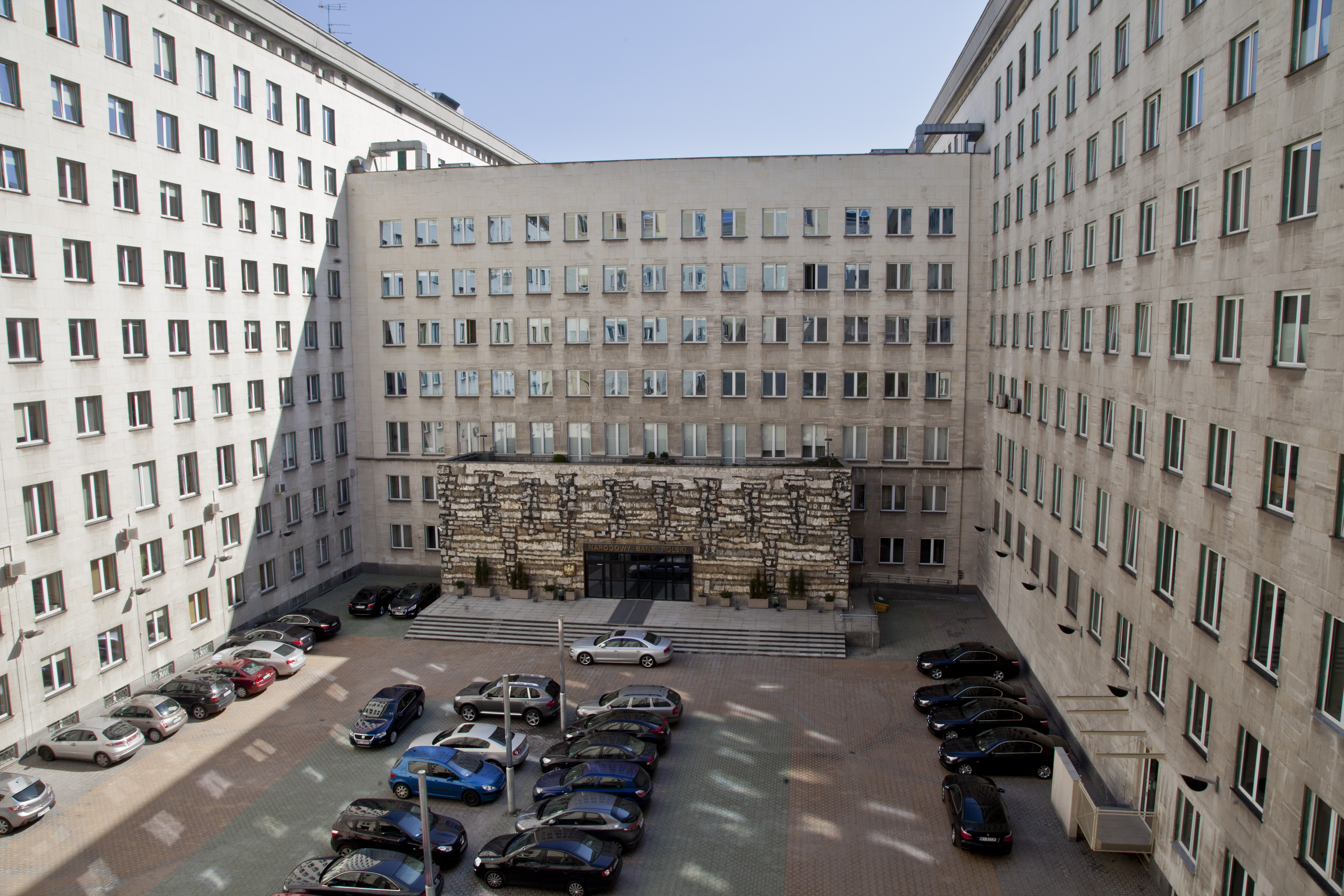
The latest Szybki Monitoring survey from Poland's central bank shows that despite AI usage among Polish companies jumping from 14 to 42 percent in a year and a half, fewer than 1 percent of firms report cutting jobs because of it.
Contents
The share of Polish companies using artificial intelligence rose to 42 percent in the second quarter of 2026, up from just 14 percent at the end of 2024. Despite this rapid rise in adoption, the latest edition of the Szybki Monitoring (Quick Monitoring) survey published by Poland's central bank, the National Bank of Poland (NBP), shows that AI's impact on employment levels at companies remains marginal for now.
The NBP report, compiled periodically from surveys of non-financial companies, once again asked firms directly about artificial intelligence and its effects on staffing. The result is unambiguous: the job cuts companies attribute to AI deployment fall within the margin of statistical error, not at a scale that would support alarmist forecasts of mass job losses.
Adoption outpacing layoffs
The jump from 14 to 42 percent over a year and a half shows that artificial intelligence at Polish companies has stopped being a technological novelty and become part of everyday business practice. The biggest gains are in the services sector, where AI tools are now used by nearly half of companies. Industry and transport trail close behind services, while trade and construction lag, each at 38 percent.
Company size matters a great deal here. Among large companies, 59 percent use AI, compared with 43 percent of mid-sized firms and just 28 percent of small and micro businesses. That split matches previous labor market observations, with smaller firms investing more slowly in new technology due to tighter budgets and a lack of in-house expertise.
Layoffs within the margin of error
The report's key finding, however, concerns not adoption but its staffing consequences. Fewer than 1 percent of surveyed companies said AI deployment led to job cuts, and even in the sector where that share is highest, it does not exceed 2 percent. That runs counter to some earlier forecasts warning of a threat to millions of jobs in Poland over the coming decade.
The report's authors also note that as many as 35 percent of companies have not yet even looked into potential uses of artificial intelligence in their operations, suggesting the current picture could shift significantly in coming quarters as the tools become more widespread. About 19 percent of micro businesses say they see no effective use case for AI, making this group the most skeptical of the technology.
What it means for Polish companies
For HR departments and management boards, this means AI investment should for now be treated primarily as a tool for boosting team productivity rather than a mechanism for cutting personnel costs. NBP's findings contrast with media reports of layoff waves tied to automation, though they do not rule out staffing effects emerging with a delay as the share of companies actually embedding AI into daily processes keeps rising.
The NBP data fits into a broader picture of Poland's labor market, where both the number of companies reporting automation use and the number of analyses warning of long-term risk to specific occupations are growing. The gap between these two narratives, one describing the current state and the other forecasting the future, will likely shape the debate over AI and the labor market for many quarters to come.
What's next
The National Bank of Poland publishes Szybki Monitoring on a recurring basis, so the next edition of the survey will show whether the trend of accelerating adoption alongside near-zero impact on employment continues, or whether staffing effects begin to materialize with the delay typical of new-technology rollouts at large organizations.