News
New York School Hires Humanoid Robot as Teaching Assistant
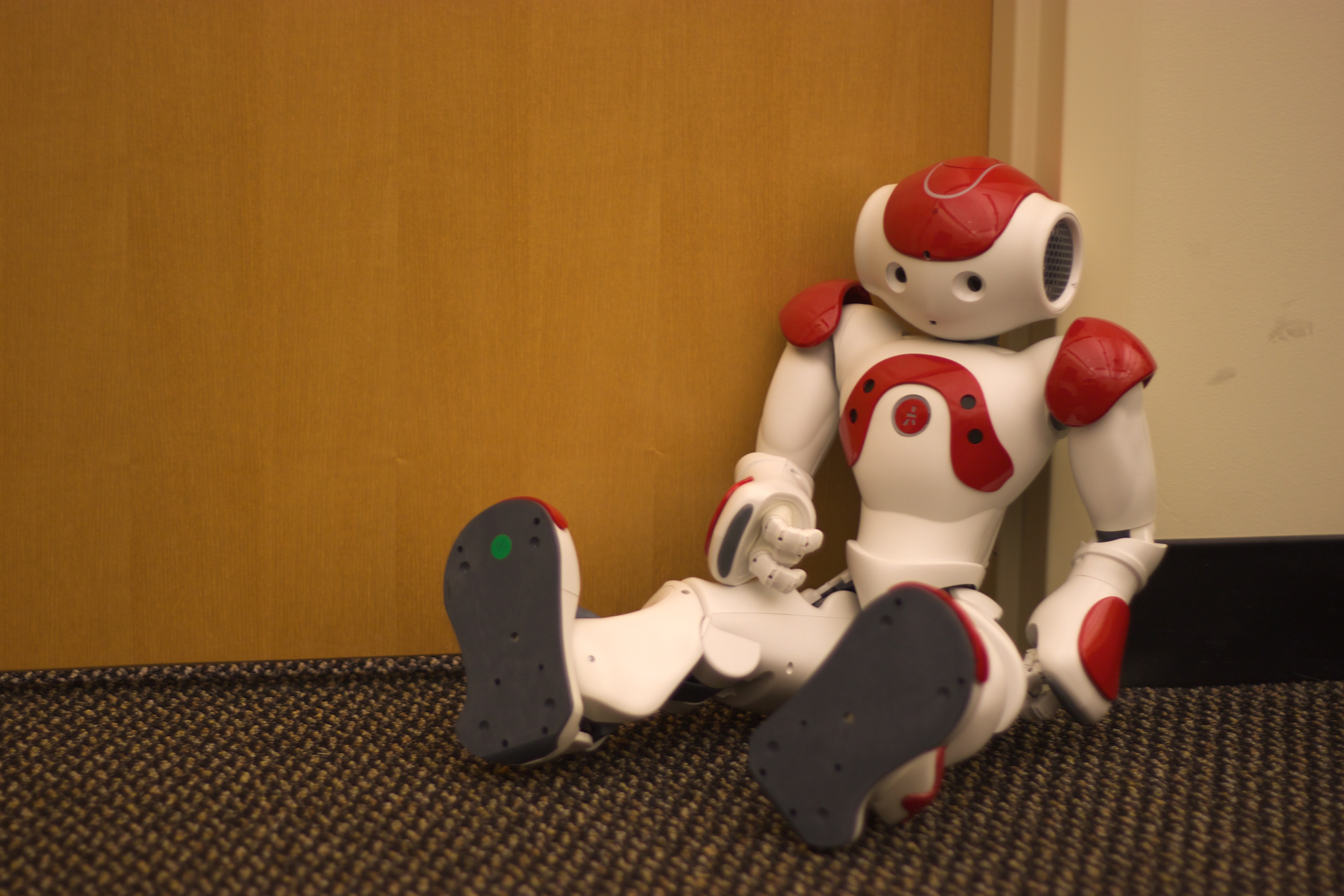
The Salamanca school district in New York will introduce a humanoid robot named Sally into 11th and 12th grade classrooms starting in September to support coding, robotics and AI lessons. The $57,000 machine's supplier has drawn controversy over its other product lines.
The Salamanca City Central School District in western New York, located on the Seneca Nation reservation, will become one of the first districts in the United States to bring a humanoid robot into its classrooms. Sally, built by the company Realbotix, is set to help teach coding, robotics and artificial intelligence to 11th and 12th grade students at Salamanca High School starting in September.
The decision to purchase the robot was made by the Salamanca district's board, which hopes to expand STEM course offerings at the small, rural school. Sally is not meant to teach lessons on her own, but to support teachers during classes focused on new technologies, answering student questions in a way meant to encourage independent thinking rather than simply supplying answers.
How the assistant works
Students will log into the system on their own laptops, where alongside Sally's physical form a digital avatar will also appear. The robot's speech has been adapted to the local western New York accent, meant to make interactions sound more natural to students from the region.
The entire system runs on a closed school network, programmed exclusively around the district's curriculum. According to the school, the robot does not collect personal data, does not record audio or video, and sends no information back to Realbotix.
It's exciting, but it's also a little nerve-wracking. It's the next iteration of this. The reality is AI is already in schools - Dr. Mark Beehler, superintendent of the Salamanca City Central School District
Controversy over the supplier
Sally has drawn criticism partly because of who makes her. Realbotix, a Las Vegas-based company, is known primarily for producing hyper-realistic, adult-looking robots, including sex dolls, a fact some commentators have seized on to attack the entire education project. The district stresses that the unit delivered to Salamanca is a newly designed model built specifically for educational purposes, and that no company involved in adult products has any stake in the project.
Technology researcher Julie Carpenter pointed to another angle: 79 percent of students on the Seneca Nation reservation come from economically disadvantaged families, which she argues makes the community an easier target for companies selling costly, innovative technology at discounted rates or through pilot programs.
The district has pushed back on these claims, insisting the purchase is meant solely to expand STEM learning opportunities and prepare students for the jobs of the future, not to cut staffing costs.
Teacher or tool
In an official statement, the school explicitly states that the robot is not meant to replace people. The declaration comes in response to concerns from parents and parts of the public that bringing machines into classrooms is a first step toward cutting teaching jobs.
The Realbotix education robot will never replace teachers, staff or meaningful human interaction - statement from the Salamanca City Central School District
The project fits into a broader trend of testing physical forms of artificial intelligence in American education, where after a wave of chatbot deployments in classrooms, schools are now beginning to experiment with robots that have a physical, anthropomorphic presence. Salamanca, a town of a few thousand residents in Cattaraugus County, has as a result found itself at the center of a nationwide debate over the limits of automation in teaching.
What's next
The program is a pilot, and its results will be tracked from the start of the school year in September. The district says it will monitor how students and teachers respond, which could determine whether similar tools reach other classrooms or other schools in the region. For Polish schools, where humanoid robots are so far discussed mainly in the context of academic research, the American experiment shows how quickly physical AI can move from the lab to the classroom, and how many questions about privacy, cost and the teacher's role such a step raises.