News
Polomarket Deploys AI to Set Prices in Its Stores
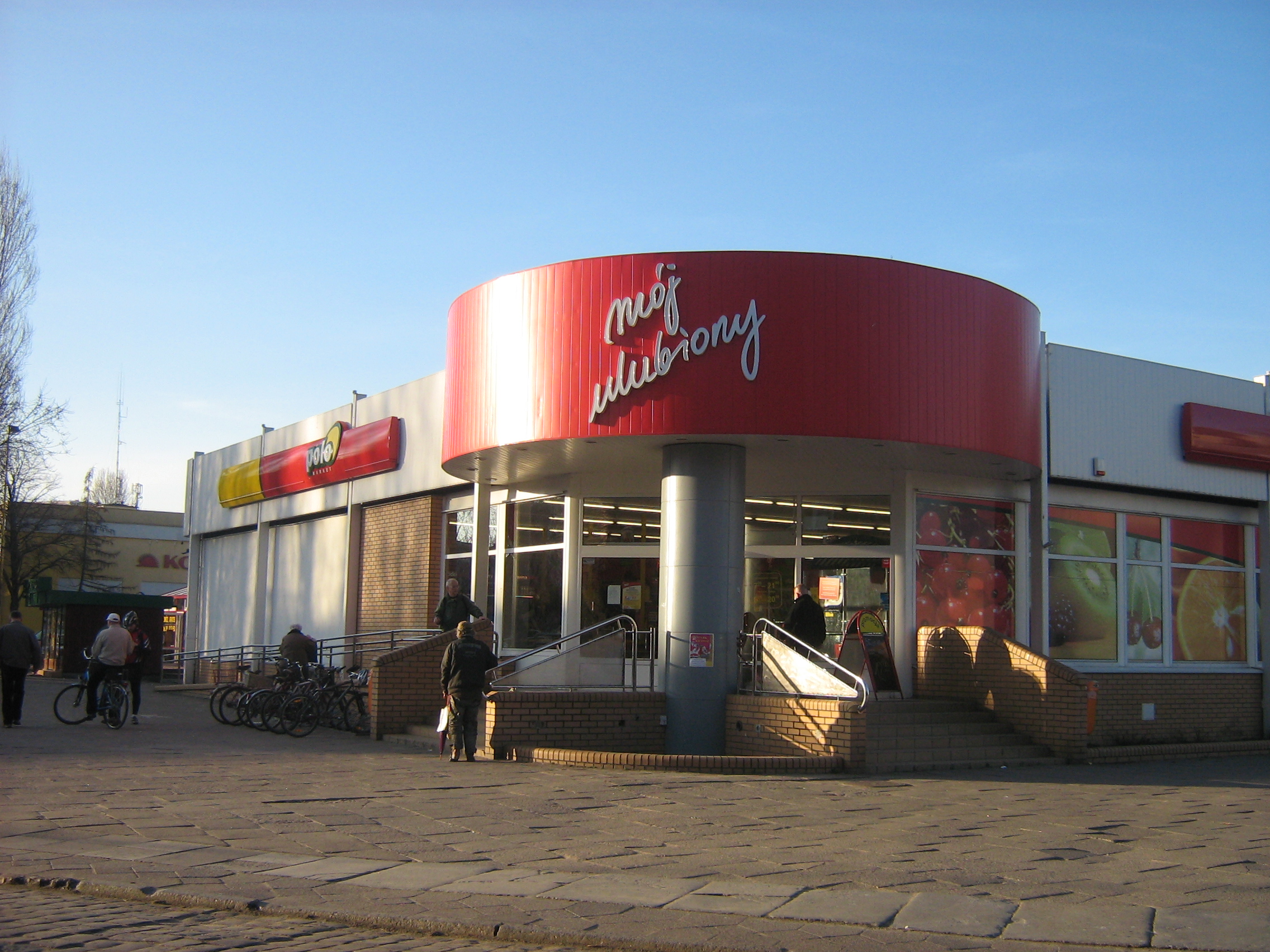
Polish supermarket chain Polomarket is replacing spreadsheets with an AI pricing system from Czech company Yieldigo, which automatically raises and lowers prices based on demand, inventory, and competitor prices.
Polskie Supermarkety, the operator of the Polomarket chain, is rolling out an artificial intelligence system to manage pricing across its stores. The technology comes from Czech company Yieldigo, and the new tool is meant to replace the spreadsheets the chain has relied on until now to set prices.
How the System Works
The Yieldigo platform uses machine learning to calculate optimal prices based on demand patterns, the chain's business goals, and customer behavior. The system is meant to keep learning on an ongoing basis, updating its price recommendations as new sales and market data comes in.
In practice, this means prices at Polomarket stores will be able to change more often and more quickly than before, responding to shifts in demand, warehouse stock levels, or competitors' price moves. The rollout starts with the module responsible for everyday pricing, with tools for promotion planning and markdown management, for products nearing their expiration date, for example, to follow in later stages.
Why the Chain Is Changing Its Model
Managing prices through spreadsheets is becoming increasingly difficult as the number of promotions grows and the pace of change in the retail market accelerates. Manually updating prices across hundreds of stores, while also tracking competitors and inventory levels, requires substantial staff resources and is prone to errors.
We are pleased to announce our decision to select Yieldigo as our pricing management software provider - Marek Wądołowski, CEO of Polskie Supermarkety
POLOmarket requires a precise and flexible pricing mechanism - David Klečka, co-founder and CEO of Yieldigo
Polomarket is one of Poland's larger supermarket chains, present mainly in smaller towns, where it competes with discount retailers and foreign chains. In recent years the number of its stores has fallen from around 280 to just under 250, part of a broader trend of consolidation and network optimization in Polish grocery retail.
Market Context
The adoption of AI for dynamic pricing is part of a wider trend in both Polish and global retail. More and more grocery chains are turning to algorithms that respond in real time to shifts in demand and competition, hoping for higher margins and fewer losses on discounted stock.
For shoppers, this means prices on shelves may change more frequently than before, though the operator maintains that the system's goal is primarily more precise assortment management rather than automatically raising prices. Similar solutions are already being tested by retail chains elsewhere in Central Europe, where Yieldigo serves clients in the FMCG sector.
What's Next
The companies have not yet disclosed a precise timeline for the system's full rollout across all of the chain's stores, nor details of the modules still to come. The effects of the rollout, both on the chain's margins and on customers' wallets, will only become clear once the platform is fully up and running in the coming months.