News
Google DeepMind Director Behind Gemini Departs for Hong Kong
Cao Liangliang, a Google DeepMind director who worked on Gemini, is ending his Silicon Valley career to return to Hong Kong as a professor. It's the latest high-profile departure from Google's AI lab amid an intensifying war for AI research talent.
Contents
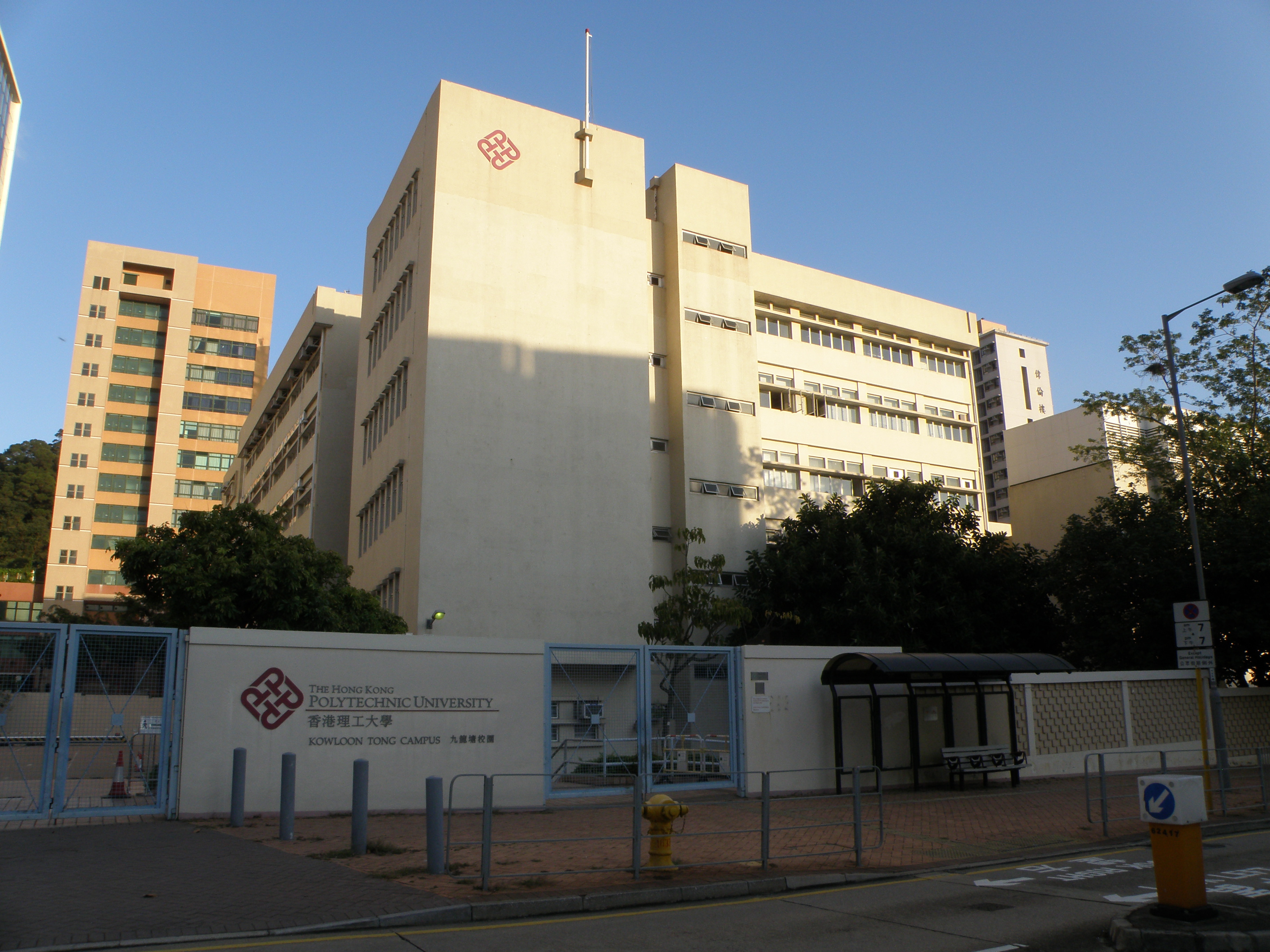
Cao Liangliang, a director at Google DeepMind responsible for developing Gemini, is leaving the company and returning to Hong Kong, where he takes up a professorship at the Hong Kong Polytechnic University starting June 29. The move closes a two-decade chapter of his career at American tech companies and fits into a broader pattern of top researchers leaving Google DeepMind.
A Return After Two Decades
Cao left Hong Kong to pursue a PhD at the University of Illinois Urbana-Champaign, where he studied under computer vision pioneer Thomas S. Huang. In 2010, his team won the ImageNet Large Scale Visual Recognition Challenge, one of the most significant moments in the history of modern machine learning. He later worked at the IBM T.J. Watson Research Center and Yahoo Labs, held visiting lecturer positions at Columbia and the University of Massachusetts Amherst, and in 2018 co-founded the startup Switi, which was later acquired by Google.
At Google, and later at Google DeepMind, Cao was responsible for developing intelligent assistants and AI agents, including Google Assistant and Gemini. He also spent a brief stint at Apple, where as a principal scientist he led modeling for Apple Intelligence features that run directly on-device.
Returning to Hong Kong feels like closing a chapter for me. - Cao Liangliang, former Google DeepMind director
A Wave of Departures From DeepMind
Cao's decision coincides with a string of high-profile exits from Google DeepMind. In June, the company lost Noam Shazeer, a researcher who co-created the LaMDA chatbot, who moved to OpenAI. A few days later, John Jumper, the Nobel Prize in Chemistry laureate for AlphaFold, the protein structure prediction system, left for Anthropic. Before that, David Silver, one of DeepMind's earliest employees, had also departed to found his own startup, Ineffable Intelligence.
The market reacted nervously. News of further departures among top researchers sent Google shares down more than 5 percent on Monday, underscoring how heavily investors weigh research talent as a critical asset in the race for AI supremacy.
A Different Kind of Departure
While Shazeer and Jumper moved to Google's direct competitors in the US, Cao's case is different. Rather than joining another Silicon Valley AI lab, he is heading to a university in Hong Kong, a move that reflects the broader competition for AI talent between the United States and China. For years, Hong Kong has been working to attract back scientists who built their careers abroad, offering them senior academic positions and access to growing Chinese funding for AI research.
Cao is currently focused on applications of AI in special education, including methods for early detection of autism through analysis of a child's gaze and facial expressions in video recordings. It's a research direction far removed from the commercial arms race around large language models, but one that shows some leading AI researchers are now looking for applications beyond competition among the biggest labs.
What It Means for the AI Job Market
For Polish companies and researchers tracking the AI talent market, Cao's case is another sign that Google DeepMind's position as the undisputed leader in research is no longer a given. Labs like Anthropic and OpenAI, as well as Asian universities offering research independence and access to capital, are now competing for the same people, which in turn shapes the pace and direction of technology that companies worldwide, including in Poland, rely on.
Sources: VnExpress International (e.vnexpress.net), Fortune (fortune.com)