News
Illinois Introduces Mandatory Audits for Makers of the Most Powerful AI Models
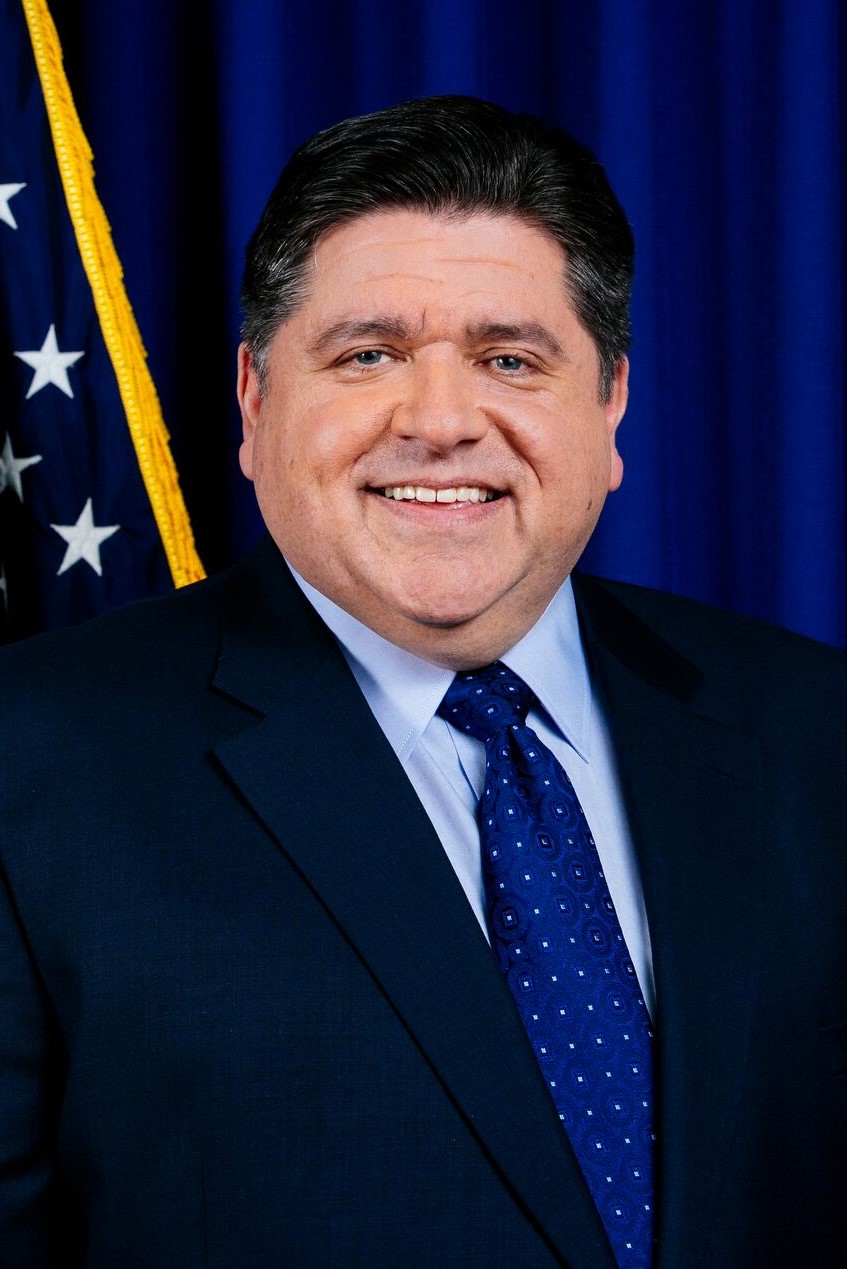
Governor JB Pritzker signed a law requiring the largest AI model developers to publish safety plans and undergo annual independent audits, the first such requirement in the United States.
Contents
Illinois has joined California and New York as the third U.S. state with hard-edged rules governing the makers of the most powerful artificial intelligence models. On July 6, Governor JB Pritzker signed the Artificial Intelligence Safety Measures Act, the first law in the country to require annual, independent third-party audits for companies developing so-called frontier models.
The law imposes obligations on so-called large frontier developers, meaning companies with annual revenue of at least $500 million that train models requiring enormous computing resources. In practice, this means OpenAI, Anthropic, Google and similar companies operating in Illinois or offering their services there.
What the Law Requires
Companies covered by the rules must develop and publish a safety plan describing how they identify and mitigate catastrophic risk. The law defines this precisely as an event that could contribute to the death or serious injury of more than 50 people, including by providing expert-level assistance in creating chemical, biological, radiological or nuclear weapons.
A key element of the new law is the requirement for an annual, independent third-party audit. This is a measure that neither California nor New York currently has, even though both of those states' laws served as a model for Illinois' regulation. Oversight and enforcement rest solely with the state's attorney general, Kwame Raoul.
Backing From AI Companies
The bill passed the legislature almost unanimously, and notably was openly supported by Anthropic and OpenAI, the very companies it will directly affect. This fits into a broader trend in which major AI players prefer predictable state-level regulation over the chaos of having no legal framework at all at the federal level.
When properly managed, artificial intelligence can drive enormous growth, but with that transformative potential comes catastrophic risk - JB Pritzker, Governor of Illinois
When signing the bill, Pritzker criticized what he called a reckless rush for wealth among private-sector leaders. Illinois House Speaker Emanuel Chris Welch spoke in similarly strong terms, referencing the corporate slogan "move fast and break things," which he said now means, in the AI sector, breaking more things faster and faster.
Criticism and Doubts
Not everyone is enthusiastic about the new law. TechNet, an industry group representing technology companies, warned during the legislative process about highly subjective assessments of catastrophic risk, pointing to the lack of uniform national standards. Attorney General Raoul himself acknowledged that fines in the millions of dollars may be insufficient against companies valued in the trillions, calling them a first step rather than a final solution.
The law also includes a provision limiting the ability of citizens to sue AI companies directly, which was a point of contention during negotiations over the final shape of the rules. Enforcement therefore remains solely in the hands of the state administration.
Implications for the Global Market
For companies like OpenAI and Anthropic, this means another set of reporting obligations, alongside those already in place in California and New York. Because these three states together account for nearly 40 percent of the U.S. market, they effectively create a de facto national standard, despite the absence of a single federal law regulating artificial intelligence in the United States.
For Polish companies using these providers' models, Illinois' rules do not apply directly, but they show the direction global AI regulation is heading: forcing transparency and external verification rather than relying solely on companies' own declarations. This is a topic closely related to Poland's ongoing work on implementing the EU AI Act, where similar questions about audits and the accountability of high-risk model providers remain open.
The rules are set to take effect in early 2027, giving companies time to adjust their internal safety procedures. Illinois says this will be the first full cycle of reporting and audits in the history of U.S. AI regulation, and its course will certainly be watched by lawmakers in other states and countries.

