News
OpenClaw 2.0: AI Agent Overhauls Security After Attack Wave
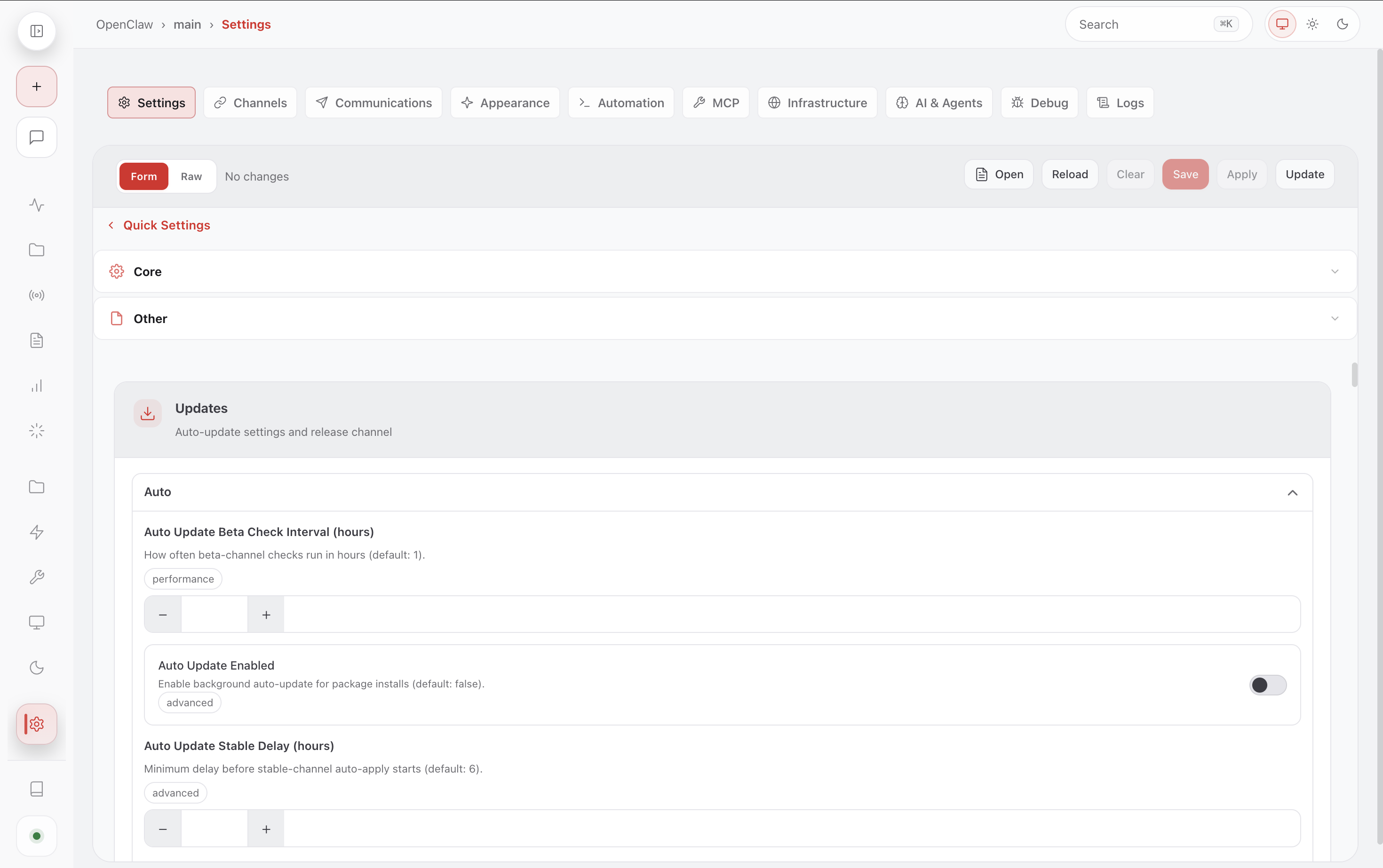
The team behind the popular open-source AI agent OpenClaw released version 2026.8.1 on August 30, dubbed OpenClaw 2.0 - the project's largest update yet, focused on credential and permission security following a string of high-profile breaches in 2026.
Contents
The team behind OpenClaw, one of the most widely used open-source AI agents, released a version numbered 2026.8.1 on August 30, which it dubbed OpenClaw 2.0. It is the first major release in nearly two months and, according to the project, the biggest change in its history, touching installation, agent memory, plugins, credential handling and session control.
OpenClaw is a self-hosted, open-source AI assistant that translates natural-language commands into concrete actions, handling email, calendar, browser, messaging apps or files on a user's computer or in the cloud. Many users have effectively turned it into a coding agent or a personal secretary managing day-to-day tasks, which over the course of a few months in 2026 translated into a sharp rise in the project's popularity on GitHub.
Record-Scale Development
The scale of the release itself is unusual for an open-source project. More than 900 people contributed over 16,000 pull requests covering installation, agents, plugins, credentials, browser control, messaging, automations, memory and native apps. More than 60 percent of contributors made their first-ever contribution with this release, showing how much the community around the project has grown over the past year.
The OpenClaw team explained that abandoning the previous rhythm of frequent, small releases in favor of one large update was meant to give the project a stronger technical foundation and a safer migration path for both new and existing installations. In practice, this meant rebuilding how sessions and transcripts are stored: data moves from files into an SQLite database, which requires a backup before rolling back to an older version, since earlier releases no longer recognize the new sessions.
Easier Setup and Team Collaboration
The second axis of change concerns accessibility. The new first-run process is meant to take users from download to their first useful conversation with fewer manual configuration steps, with support for Mac, Linux, Windows and mobile devices. OpenClaw now automatically detects resources already available, such as existing ChatGPT or Claude subscriptions, API keys, or locally running models, instead of forcing users to set them up again from scratch.
The redesigned web interface puts the conversation at the center of the screen, with files, approvals and settings available right alongside it. Teams now get shared cloud sessions, letting several people work on the same agent at once, plus a search function that scans the history of past conversations for exact text or phrases. On phones, pairing a new device now happens via QR code, with a clear distinction between full and limited access.
Security After a Wave of Attacks
The focus on security is no accident. In early 2026, researchers at SecurityScorecard and Bitsight documented tens of thousands of publicly accessible OpenClaw installations, a large share of which had an exposed interface with authentication disabled, since the service defaulted to starting on port 8080 without enforced login. During the same period, several critical vulnerabilities came to light, including CVE-2026-25253, which allowed one-click remote code execution, and the ClawHavoc attack, which planted more than a thousand malicious "skills" spreading data-stealing malware for macOS into the official ClawHub plugin marketplace.
OpenClaw 2.0 responds with private credential requests: the agent can ask for a password or key through a masked field without saving its value in the chat history or the model's context. An optional proxy server restricts the substitution of protected secrets to approved destination addresses only, and teams get a shared, admin-managed credential vault where secret values are write-only. The update also adds integration with the 1Password broker, including service-account authentication, per-secret approvals and audit logs that never expose the secret values themselves.
For the agent's task execution itself, the update introduces explicit session permission modes and workspace scoping: filesystem access is anchored to the registered workspace, which is meant to reduce the risk of the agent reaching for files outside the approved scope. Recurring automations now require approval, and users can later review and revoke granted permissions.
These controls are collaboration features and should not be treated as hostile multi-tenant isolation - OpenClaw team, 2026.8.1 release documentation
That caveat matters. The new team operator roles limit access to agents and sessions for collaboration purposes, but they were not designed as isolation against a malicious co-tenant on the same deployment. In other words, companies sharing a single OpenClaw instance across multiple teams should still treat it as a trust-based environment rather than one with fully separated accounts.
What It Means for Users
For individuals and companies already running OpenClaw, the 2.0 update means, in practice, migrating data to the new format and reviewing security configurations, especially where installations are exposed to the public internet without authentication. Given the scale of earlier incidents, enforcing explicit permission modes and workspace restrictions is a change that meaningfully narrows the room for abuse, even if it does not eliminate it entirely.
For the broader AI agent market, the release confirms a trend also visible among other vendors in 2026: after a string of public security failures, credential security and agent permission control are becoming the top priority, even outpacing the rate of new feature additions. The project deliberately gave up its previous release cadence in favor of one large, thoroughly tested step, which could become a model for other open-source agent tools facing similar pressure.